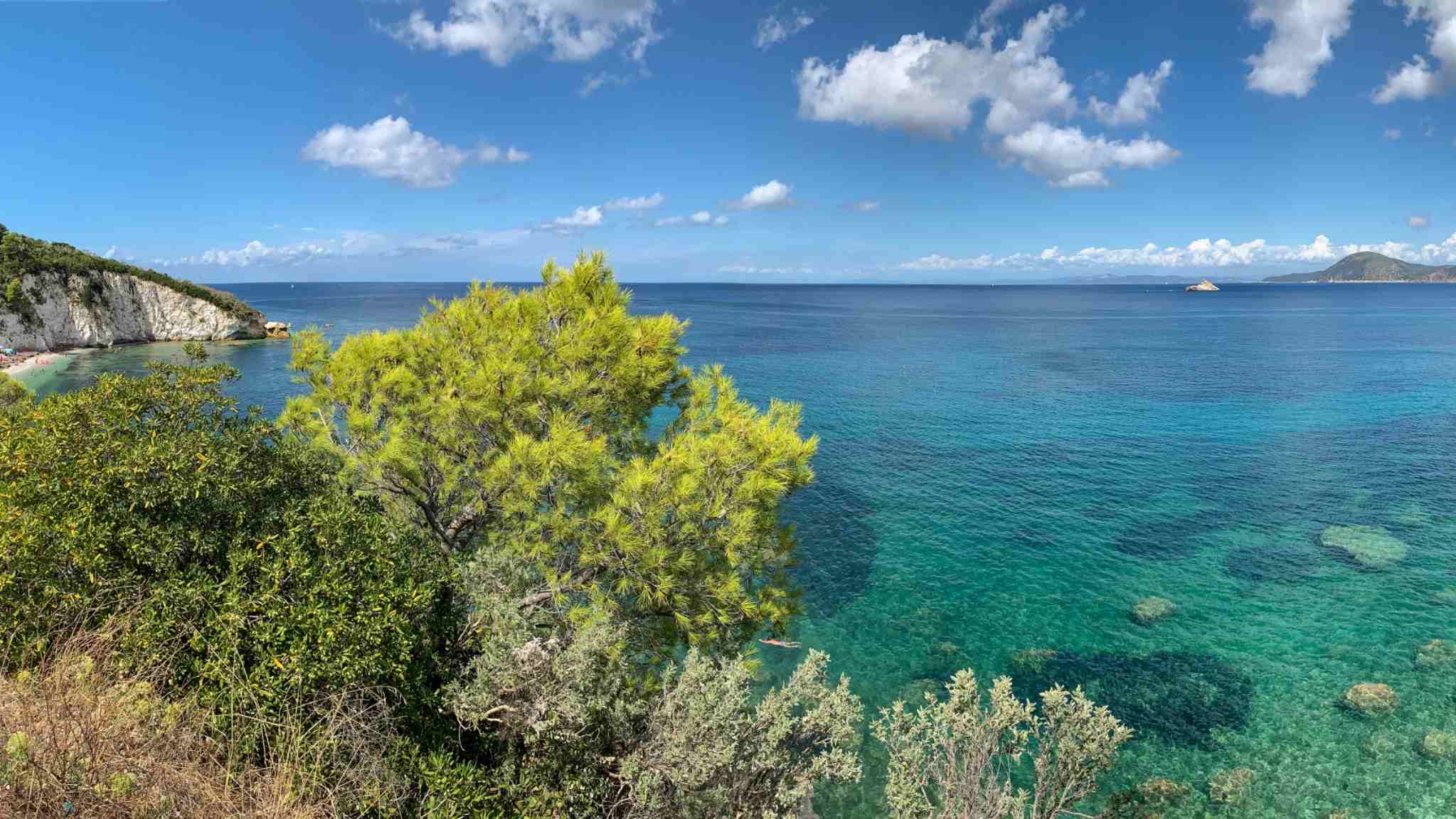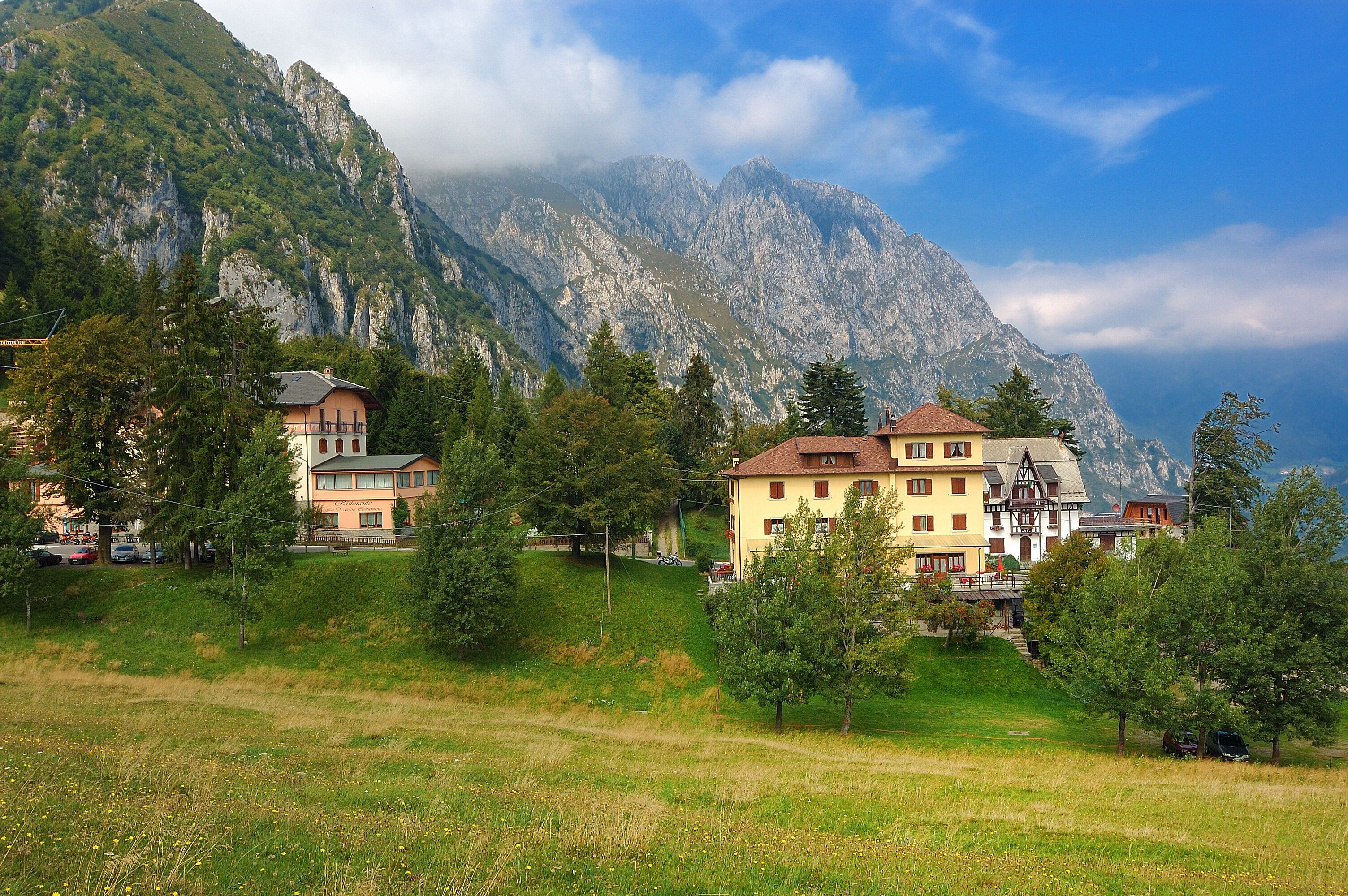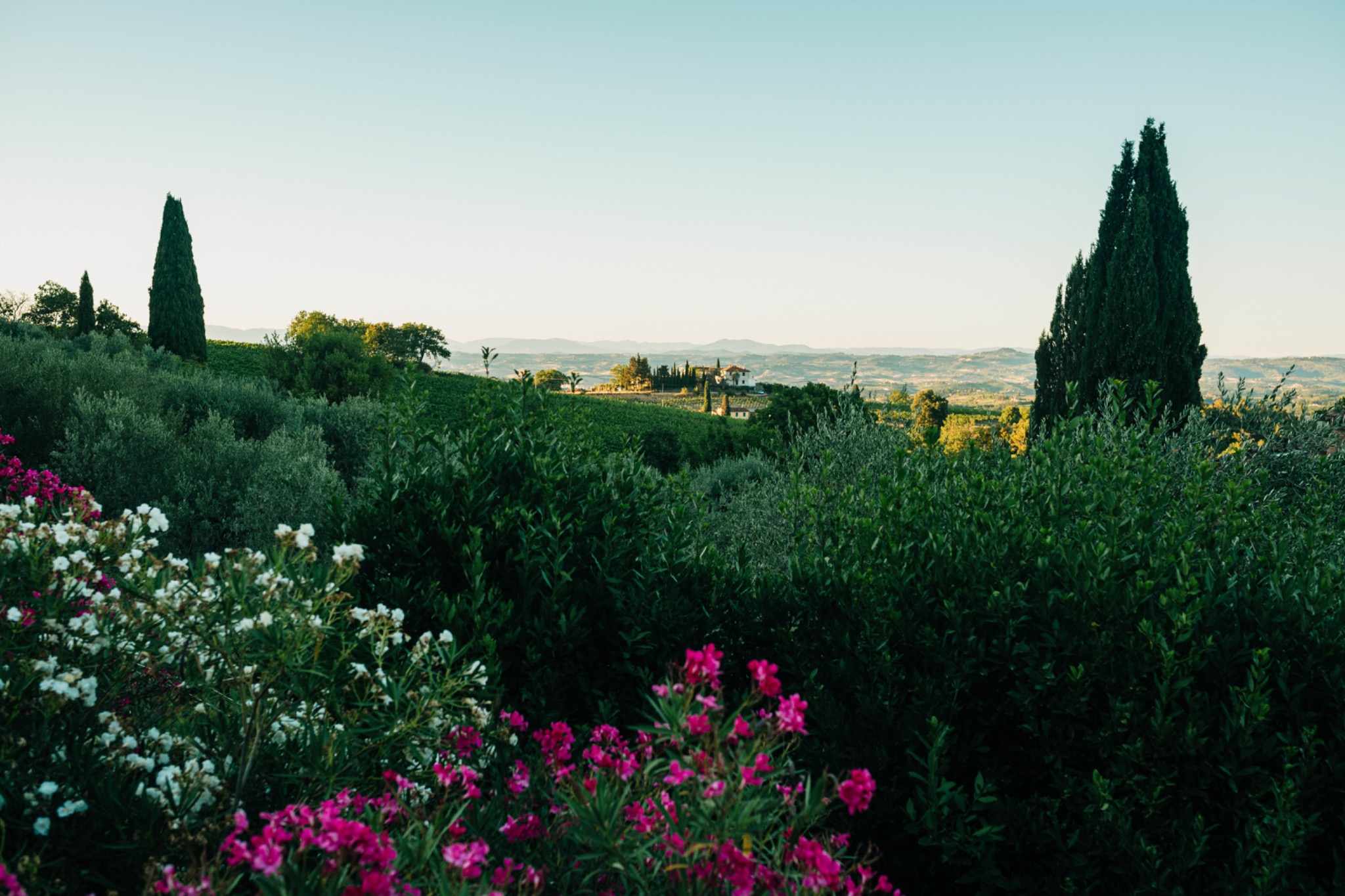
Around 100 rooms, more than 12,600 sqm, indoor and outdoor swimming pools, conference facilities, extensive grounds and an entry price of €9.296 million on the outskirts of Florence. The Demidoff Country Resort in Pratolino has entered the hotel investment radar. But the most interesting point is not simply the price: while the enforcement proceedings describe the property as “vacant”, the resort continues to maintain an active commercial presence. For an investor, the key question therefore goes well beyond price per key: what exactly comes with the real estate?
The Demidoff Country Resort, located at Via della Lupaia 1556 in Pratolino, within the municipality of Vaglia, is subject to real estate enforcement proceedings No. 108/2023 before the Court of Florence.
The sale is scheduled for 10 December 2026.
The reserve price is €12,395,000, while the minimum bid is €9,296,250.
The official documentation describes the lot as the full ownership of a hotel property, together with a 50% interest in an urban area, and states that the property is “vacant”.
And it is precisely that word — vacant — that should mark the starting point of the investment analysis.
The three numbers to understand immediately
€92,960 per key
at the minimum bid, assuming approximately 100 rooms.
€732 per sqm
based on an indicative commercial area of approximately 12,695 sqm.
36.8% below the stated appraisal value
assuming an appraisal of approximately €14.7 million.
All three figures are striking.
None of them, however, is enough to determine whether the investment is attractive.
The asset: a resort of significant scale
The complex comprises the main hotel building, extensive outdoor areas, parking, an outdoor swimming pool and surrounding land.
Technical sources also refer to conference facilities, an indoor swimming pool, gym, sauna and other spaces supporting the hospitality operation.
This is therefore an asset combining:
real estate + hospitality + MICE + wellness + extensive outdoor areas.
That scale fundamentally changes the nature of the analysis.
The relevant question is not simply what the building is worth.
The investor needs to determine how much capital will be required to bring the entire operating platform to a competitive standard — and how much income that platform can ultimately generate.
Florence, yes — but not central Florence
The resort is located in Pratolino, within the municipality of Vaglia, in the hills north of Florence.
Proximity to Florence is clearly an advantage, but Demidoff does not compete directly with hotels in the historic city centre.
Its addressable demand is likely to come from a different mix of segments:
-
leisure;
-
groups;
-
MICE;
-
events;
-
retreats;
-
wellness;
-
organised tourism;
-
Florence–Mugello–Tuscany itineraries.
This means central Florence KPIs cannot simply be applied as a benchmark.
Demand must be assessed against the actual product and its genuinely addressable market.
KEY ISSUE — “Vacant” in the proceedings, yet still commercially visible
The official sale documentation describes the occupancy status as:
“Vacant.”
At the same time, the Demidoff Country Resort commercial website remains online, presenting rooms, group accommodation, events and contact information.
The website also attributes management of the property to Demidoff Costruzioni S.r.l.s.
This does not necessarily imply a legal inconsistency.
It does, however, mean that an investor should establish, through documentary due diligence:
-
who currently operates the property;
-
under what legal arrangement;
-
whether any operating agreements remain in force;
-
whether the brand can be transferred;
-
who owns future bookings;
-
whether employees remain attached to the operation;
-
which operating assets are included in the sale;
-
whether the hotel can continue trading or reopen immediately after completion.
This is where the investment case becomes particularly interesting.
What is the investor actually buying?
The answer should be broken down into at least four separate layers.
1. The real estate
The most visible component is the underlying property.
At this level, the investor can analyse:
-
value per sqm;
-
value per key;
-
replacement cost;
-
physical condition;
-
compliance;
-
technical CAPEX.
But in hospitality, the real estate represents only one part of total value.
2. FF&E and operating equipment
The investor needs to determine exactly which assets are included in the transfer.
In particular:
-
guest-room furniture;
-
kitchen equipment;
-
F&B equipment;
-
wellness equipment;
-
conference equipment;
-
FF&E;
-
OS&E.
A 100-room hotel may look attractive on a real estate basis and still require several million euros of additional investment before it can return to a competitive operating standard.
3. The hotel operating business
The next step is to separate the value of the property from the value of the hotel operating platform.
The investor should verify the status of:
-
brand;
-
goodwill;
-
website;
-
customer database;
-
OTA relationships;
-
tour operator contracts;
-
employees;
-
suppliers;
-
licences;
-
operating permits;
-
forward bookings.
Acquiring the real estate does not automatically mean acquiring the hotel operating business.
This distinction is particularly important in distressed transactions and is central to the work carried out by Investhotel Capital Partners.
4. The ability to generate income
Ultimately, every element converges on one question:
How much sustainable EBITDA can the Demidoff generate following acquisition and after the required investment programme?
At that point, price per key stops being the most important number.
€9.296 million may only be the first cheque
The minimum bid represents the purchase price.
It does not necessarily represent the total investment required.
The relevant equation is:
**Purchase Price
-
Transaction Costs
-
CAPEX
-
FF&E
-
Working Capital
-
Pre-opening / Repositioning Costs
-
Financing Costs
= Total Investment Cost**
If, for example, an asset acquired for approximately €9.3 million required a further €4–5 million in works, FF&E, compliance upgrades and commercial repositioning, the total capital invested could move towards €14–15 million.
At that point, the key question would no longer be:
“Did I buy a hotel at €93,000 per key?”
It would become:
“What stabilised EBITDA can I generate on €14–15 million of total invested capital?”
That is the real investment analysis.
At Hotel Management Group, this type of assessment is addressed through due diligence, business planning, development analysis and hospitality asset value-creation strategies.
How much should a 100-room resort generate?
Determining the investment value requires a forward-looking hotel P&L.
At a minimum, the analysis should model:
-
genuinely saleable room inventory;
-
occupancy;
-
ADR;
-
RevPAR;
-
MICE revenue;
-
F&B revenue;
-
events;
-
wellness;
-
payroll;
-
utilities;
-
maintenance;
-
distribution;
-
marketing;
-
GOP;
-
normalised EBITDA;
-
reserve for replacement.
Only then can the analysis move from a real estate perspective to a proper hotel valuation.
At RobertoNecci.it, further analysis explores the relationship between real estate value, hotel operations, governance, credit and cash-flow generation.
Three investment scenarios
Scenario 1 — Continued hotel operation
The investor acquires the real estate and maintains a hospitality configuration broadly similar to the current one.
The valuation framework becomes:
Projected Revenue + Normalised EBITDA + Required CAPEX + Terminal Value.
This is the most straightforward scenario.
Scenario 2 — Repositioning
The resort undergoes a comprehensive repositioning:
-
new brand;
-
revised market positioning;
-
room refurbishment;
-
redesigned F&B offering;
-
MICE development;
-
wellness;
-
events;
-
new distribution strategy.
The investment equation becomes:
Entry Price + CAPEX vs Stabilised EBITDA + Exit Value.
Under this scenario, the initial purchase price matters less than the value ultimately created.
Scenario 3 — Alternative use
The scale of the property and its extensive external areas also justify testing alternative or complementary uses to traditional hospitality.
This does not mean conversion is necessarily the best strategy.
It means a professional investor should compare the value of the property as-is with its genuinely achievable highest and best use, subject to planning and regulatory verification.
The real due diligence
Before submitting a bid, an investor should verify at least:
-
full appraisal report;
-
cadastral position;
-
planning status;
-
building compliance;
-
condition of plant and systems;
-
technical certifications;
-
fire safety;
-
actual room count;
-
condition of furniture;
-
ownership of FF&E and OS&E;
-
hotel operating licences;
-
F&B permits;
-
pool and wellness authorisations;
-
actual occupancy status;
-
relationship with the current operator;
-
any existing operating agreements;
-
employees;
-
forward bookings;
-
historical revenue;
-
ADR;
-
occupancy;
-
RevPAR;
-
GOP;
-
normalised EBITDA;
-
technical CAPEX;
-
repositioning CAPEX;
-
working capital;
-
pre-opening costs;
-
financing structure;
-
exit value.
Only after this analysis can an investor determine whether €9.296 million represents an opportunity or merely the starting point of a significantly larger capital commitment.
The real investment is not €9.3 million
This is the central point of the Demidoff case.
The headline price attracts attention.
Approximately €93,000 per key.
But the number a professional investor should really focus on is different:
the Total Investment Cost required to turn those 100 rooms into an operating platform capable of generating sustainable EBITDA.
And there is a second number that matters even more:
the stabilised EBITDA that platform can ultimately produce.
Investment returns emerge only from the relationship between those two figures.
The real asset to be valued is therefore not simply the 100 rooms.
It is the ability of those 100 rooms — once the acquisition perimeter, required capital and operating model have been fully understood — to generate sustainable cash flow.
That is where genuine hotel investment analysis begins.
Investimenti Alberghieri
InvestimentiAlberghieri.it monitors and analyses hotel investments, hospitality assets for sale, distressed situations, NPL/UTP exposures, restructuring transactions and special situations across the Italian hospitality market.
The publication of an opportunity is for information and analytical purposes only and does not constitute an assessment of the economic attractiveness of the investment.
Every transaction requires dedicated:
real estate, legal, planning, technical, financial, tax and hospitality due diligence.
For confidential analysis of hotel investment opportunities, valuations, business plans, industrial due diligence, Total Investment Cost assessments and distressed transactions:
info@investimentialberghieri.it
To submit a hotel, distressed asset or special situation for a confidential preliminary assessment:
info@investimentialberghieri.it
Further insights:
InvestimentiAlberghieri.it
Investhotel Capital Partners
Hotel Management Group
RobertoNecci.it