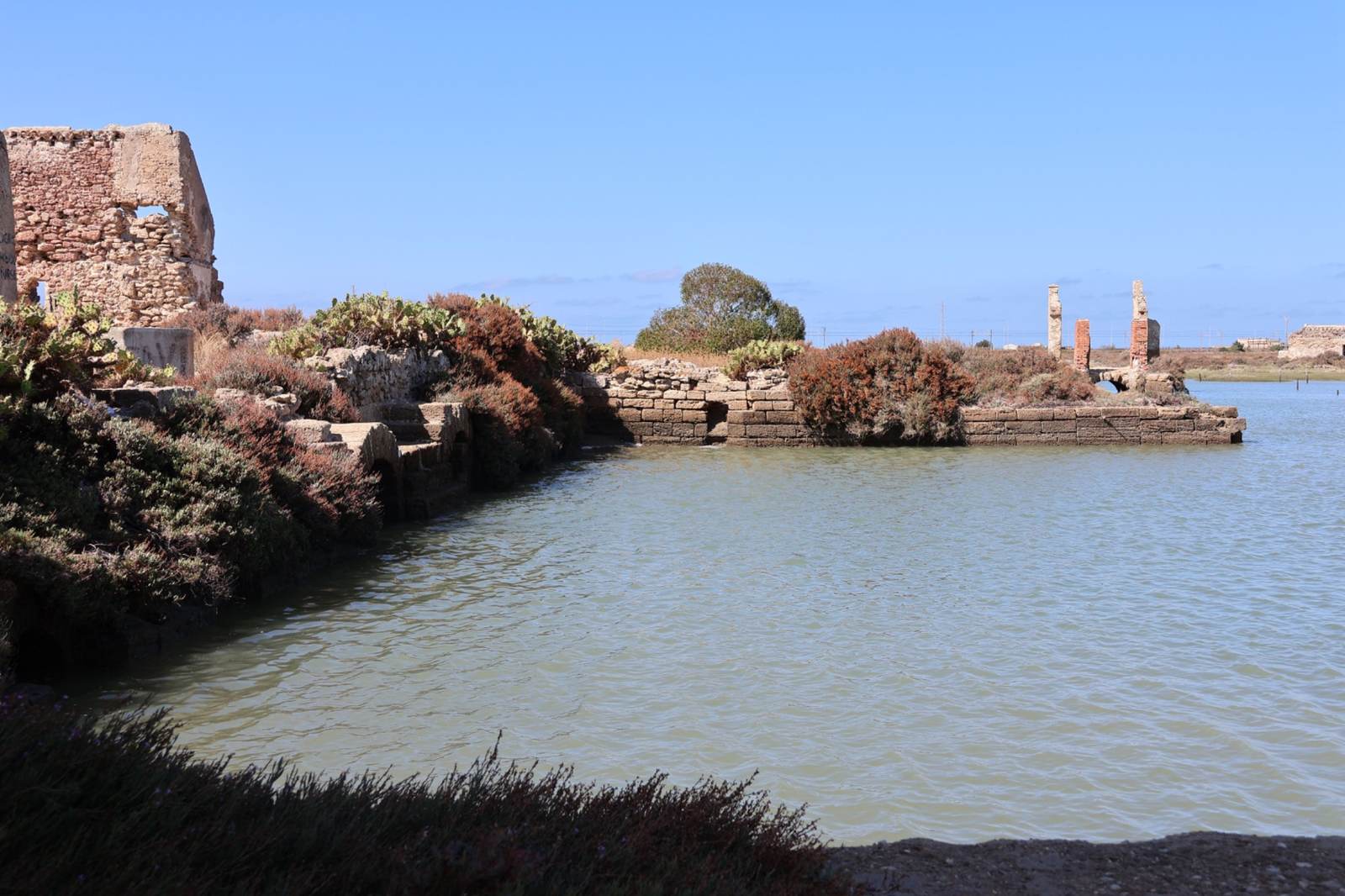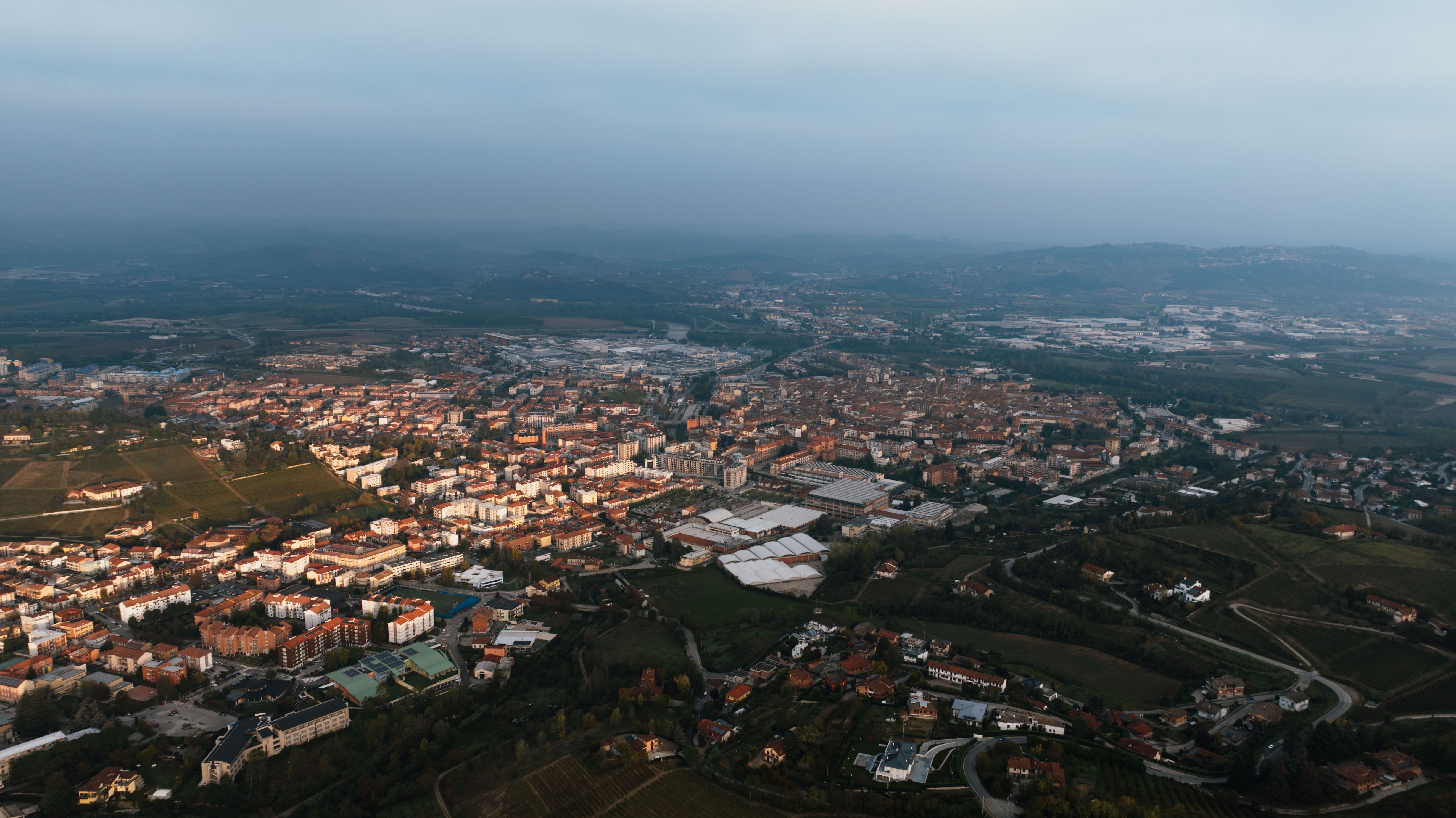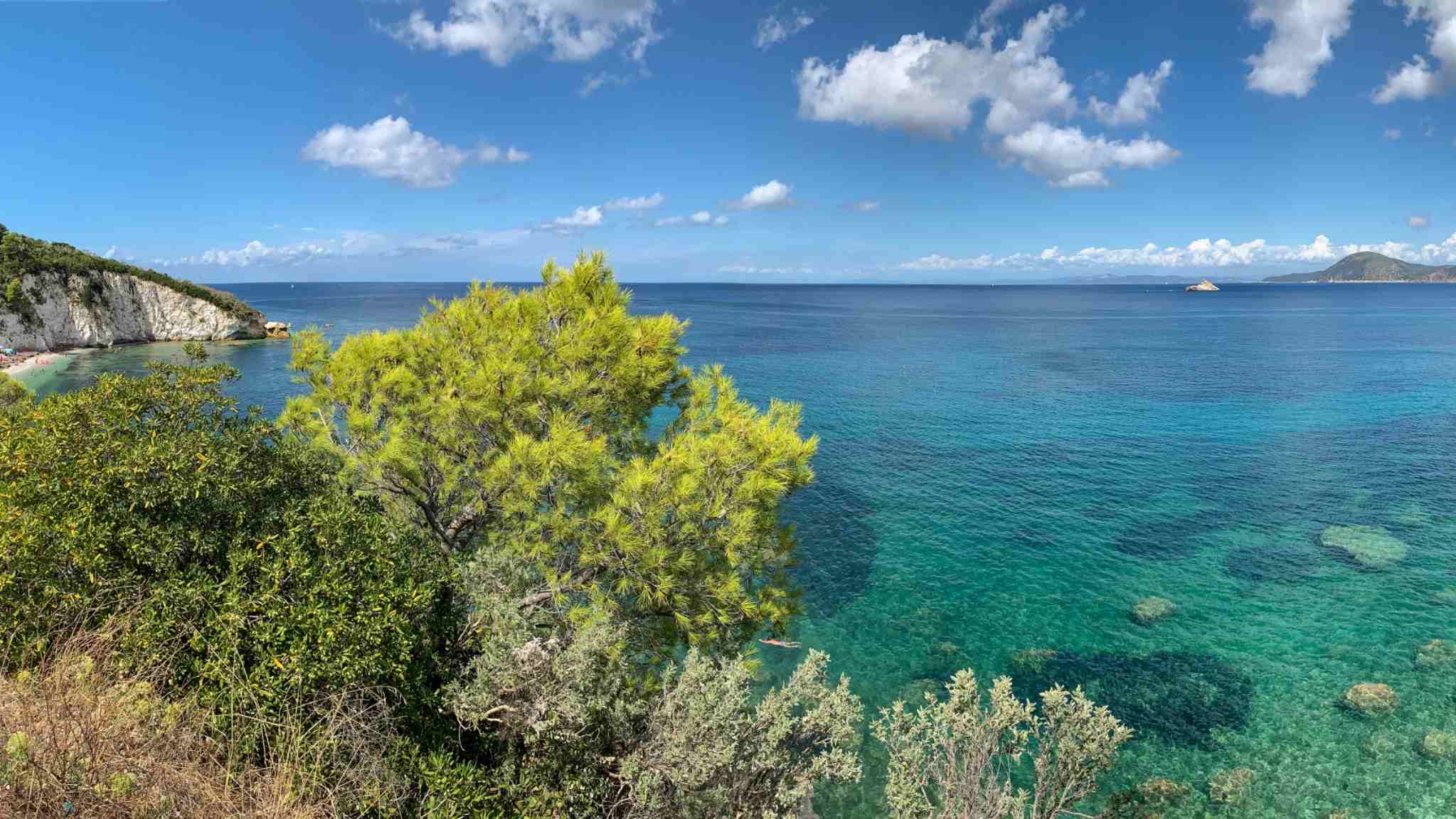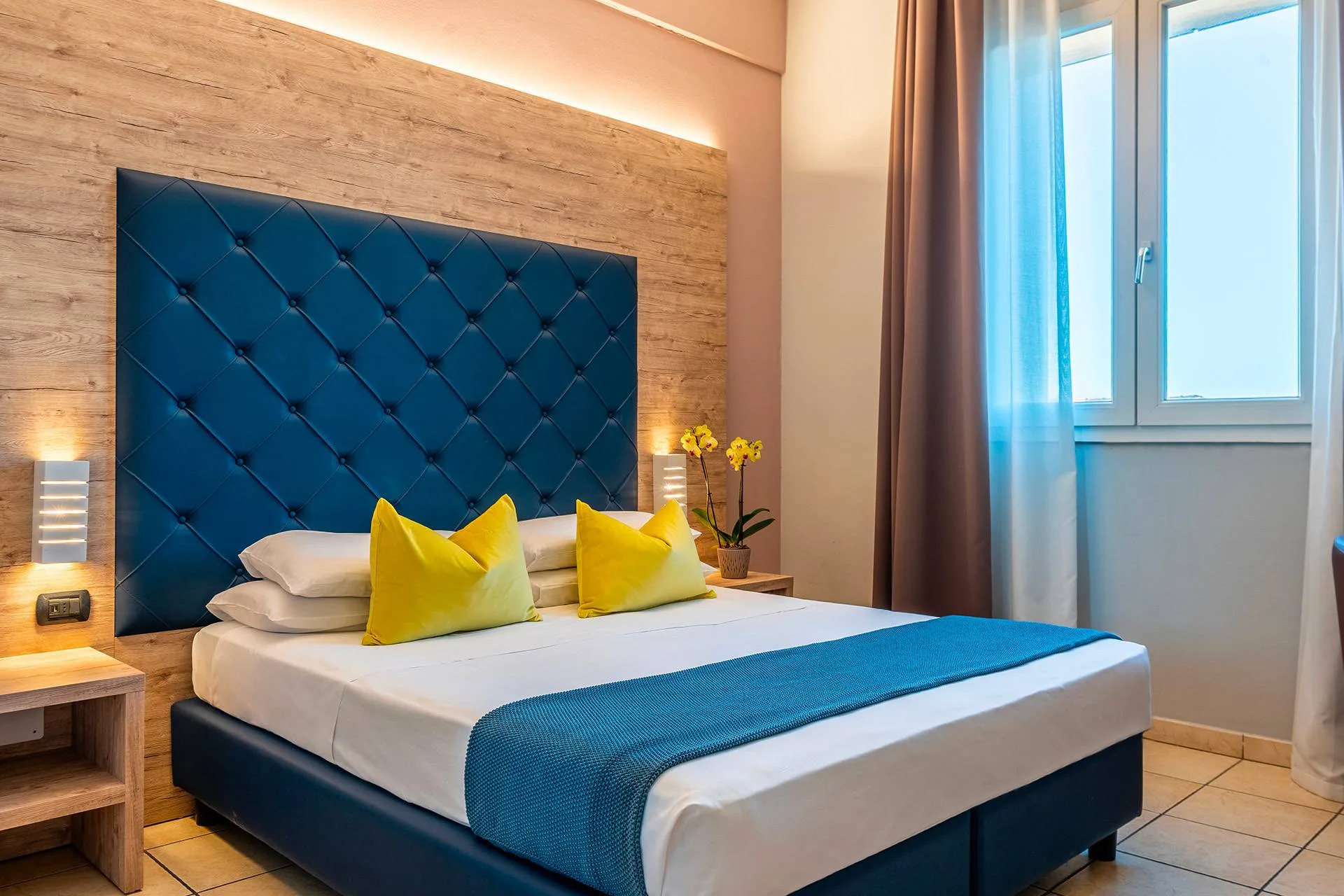
Approximately 50 commercially advertised rooms, 3,245 sqm, a restaurant serving both hotel guests and outside customers, meeting facilities, around 900 sqm of Spa space and a minimum entry price of €2,864,250. Hotel Formula International & Puravita Spa in Rosolina is being offered for sale as part of the judicial liquidation of New Horizons S.r.l. Yet the most interesting metric is not the price per key: the complex combines real estate, accommodation, food & beverage, wellness, meetings, FF&E, plant and operating equipment. The real question for an investor is therefore different: how much EBITDA can all the square metres being acquired generate together?
The property is part of Judicial Liquidation No. 3/2026 before the Court of Rovigo, opened in respect of New Horizons S.r.l.
The sale is scheduled for 12 October 2026.
The key figures are:
Reserve price: €3,819,000
Minimum bid: €2,864,250
Minimum bid increment: €20,000
Indicative total area: approximately 3,245 sqm
Commercially advertised room count: approximately 50
Based on the minimum bid, the implied value is approximately:
€57,300 per key
On a total-area basis, it equates to approximately:
€883 per sqm
Both figures immediately attract attention.
But both can also be misleading.
Price per key tells only one-quarter of the story
Dividing €2.864 million by 50 rooms is mathematically correct.
Economically, however, it captures only part of the investment case.
The investor is not simply acquiring:
50 rooms.
The asset potentially contains four separate revenue engines:
Rooms
Food & Beverage
Wellness
MICE
And that is precisely what differentiates Hotel Formula from many other distressed hospitality assets.
Its value does not depend solely on the number of guest rooms.
It depends on the ability of all these profit centres to work together.
This broader approach to hospitality asset value is central to the analysis published by InvestimentiAlberghieri.it.
A hospitality business complex, not simply a hotel property
The sale documentation describes the lot as the hospitality business complex known as Hotel Formula.
The perimeter includes:
-
hotel accommodation;
-
restaurant;
-
wellness area;
-
furniture;
-
plant and systems;
-
equipment;
-
movable assets used in the operation.
This materially changes how the purchase price should be interpreted.
An investor acquiring only a hotel building would normally need to add:
FF&E + OS&E + Kitchen Equipment + Operating Infrastructure + Start-up Costs.
Here, a meaningful proportion of that infrastructure appears to be included within the transaction perimeter.
The relevant question therefore becomes:
How much of the capital required to generate revenue is already embedded in the €2.864 million purchase price?
KEY ISSUE — Four revenue engines
1. Rooms
The guest rooms generate:
-
occupancy;
-
ADR;
-
RevPAR;
-
room revenue.
This is the traditional hotel component.
But it is not the only one.
2. Food & Beverage
The restaurant is not necessarily dependent exclusively on resident guests.
It may also capture:
-
local demand;
-
passing trade;
-
groups;
-
events;
-
corporate customers.
F&B should therefore be assessed as a profit centre in its own right.
3. Puravita Spa
The Spa extends across approximately 900 sqm.
Within a 3,245 sqm complex, that represents a significant proportion of the overall product.
It cannot therefore be treated as a simple amenity.
It may generate:
-
external admissions;
-
day-Spa business;
-
treatments;
-
massages;
-
hotel + Spa packages;
-
upselling;
-
higher ADR;
-
longer average stays;
-
seasonality mitigation.
But it can also generate substantial operating costs.
4. Meetings & Events
The property also includes facilities capable of serving:
-
meetings;
-
training;
-
events;
-
corporate demand.
This business can generate not only meeting-room rental, but also:
guest rooms + F&B + catering.
Hotel Formula is therefore not simply a 50-room hotel.
It is a multi-revenue hospitality platform.
The real metric is not price per key
The more meaningful metric is:
EBITDA by profit centre
Four separate P&Ls should be built.
Rooms
Revenue – Rooms Payroll – Distribution – Operating Costs
F&B
Revenue – Food Cost – Payroll – Operating Costs
Spa
Revenue – Spa Payroll – Utilities – Consumables – Maintenance
MICE
Event Revenue + Rooms Generated + F&B Generated – Direct Costs
Only then can the investor reconstruct:
Total Revenue → GOP → Normalised EBITDA
That normalised EBITDA, rather than room count alone, should be compared with the total capital invested.
€57,300 per key may actually be the least important number
The figure captures attention.
But comparing Hotel Formula with an ordinary 50-room hotel solely on a price-per-key basis would be analytically weak.
Two hotels may both contain 50 rooms and yet have completely different earnings potential.
One may generate only:
Rooms Revenue.
The other may generate:
Rooms + Restaurant + Spa + MICE.
Same room count.
Completely different revenue-generating capacity.
Price per key must therefore remain subordinate to an industrial assessment of the hospitality product.
The 900 sqm Spa must economically justify its footprint
Puravita Spa is one of the property’s most distinctive components.
For precisely that reason, it requires rigorous analysis.
The key equation is:
Spa Revenue
– Payroll
– Utilities
– Consumables
– Maintenance
= Spa Contribution Margin
The next step is:
Contribution Margin / sqm
This helps determine whether 900 sqm of wellness space represents:
a powerful EBITDA generator
or
an expensive area to operate and maintain.
Size is not value in itself.
It becomes value only when it generates margin.
Wellness as a tool for reducing seasonality
There is an additional consideration.
Rosolina and the surrounding area have a meaningful leisure component, but Hotel Formula is not positioned exclusively as a seaside hotel.
The combination of Spa, restaurant and meeting facilities potentially allows the property to target a broader demand mix:
-
wellness;
-
corporate;
-
business;
-
groups;
-
Po Delta tourism;
-
weekend stays;
-
events;
-
off-season demand.
This diversification can reduce dependence on traditional seasonal patterns.
In business-plan terms, this means:
more productive operating days
and therefore:
greater absorption of fixed costs.
At Hotel Management Group, this type of analysis is developed through business planning, management control, revenue analysis and hospitality asset value-creation strategies.
The key is not how much each business unit sells, but how much margin it generates
The distinction is fundamental.
A restaurant may produce significant revenue but limited profit.
A Spa may record strong admissions while absorbing substantial energy and staffing costs.
A meeting centre may generate limited direct room-hire revenue while driving substantial bedroom and F&B demand.
The analysis must therefore move beyond top-line revenue.
It needs to focus on:
Contribution Margin
and ultimately:
EBITDA Contribution.
Only then can an investor determine which square metres are genuinely creating value.
The physical complex does not automatically equal the going concern
This is the other major issue.
The lot appears to include a substantial proportion of the physical operating platform:
real estate + furniture + plant + equipment.
But that does not automatically mean the investor is acquiring:
-
employees;
-
contracts;
-
operating authorisations;
-
brand rights;
-
website;
-
domain;
-
PMS;
-
booking engine;
-
OTA accounts;
-
customer database;
-
reviews;
-
forward bookings;
-
suppliers;
-
goodwill.
Each of these components needs to be verified individually.
A fully equipped hotel may still be far from being an immediately transferable going concern.
And that difference may account for a material portion of the Total Investment Cost.
The corporate perimeter must be clarified without losing sight of the business
The judicial procedure concerns New Horizons S.r.l.
Current commercial materials include corporate references that require further documentary reconstruction.
An investor does not need assumptions.
The key is to establish:
Property Owner
Business Owner
Operator
Employer
Brand Owner
Licence Holder
That is sufficient.
What matters economically is identifying which components transfer with the acquisition and which would need to be recreated.
At Investhotel Capital Partners, this distinction becomes particularly important when an investment arises from a distressed or insolvency situation.
Purchase Price does not equal Total Investment Cost
The minimum bid is:
€2,864,250
But the total capital requirement may include:
**Purchase Price
-
Transaction Costs
-
Technical CAPEX
-
Repositioning CAPEX
-
FF&E Replacement
-
Working Capital
-
Transition Costs
-
Financing Costs
= Total Investment Cost**
The inclusion of furniture and equipment may reduce some of these items.
But a 900 sqm Spa also increases technical complexity.
Due diligence should therefore examine:
-
plant and systems;
-
water treatment;
-
humidity;
-
air conditioning;
-
dehumidification;
-
pools;
-
saunas;
-
maintenance;
-
energy consumption.
The difference between a fully functioning Spa and one requiring major refurbishment can materially alter the Total Investment Cost.
Three investment scenarios
Scenario 1 — Continuity
The investor retains the existing format:
Rooms + F&B + Spa + MICE
and focuses primarily on efficiency.
The central question becomes:
How much normalised EBITDA does the current platform generate?
This is the lowest-disruption scenario.
Scenario 2 — Repositioning
The investor improves:
-
rooms;
-
pricing;
-
distribution;
-
Spa;
-
restaurant;
-
marketing;
-
meetings;
-
brand positioning.
Value creation comes from increasing:
ADR + Occupancy + F&B Margin + Spa Contribution + MICE Revenue.
Scenario 3 — Reallocation
This is the most sophisticated scenario.
The investor analyses the economic productivity of each square metre.
The central question becomes:
Which use generates the highest EBITDA per sqm?
If some areas are structurally underutilised, the space mix may need to be reconsidered.
This is effectively a hospitality application of the highest and best use principle.
The critical due diligence
Before assigning a definitive value to Hotel Formula, an investor should verify at least:
-
full appraisal report;
-
sale notice;
-
real estate ownership;
-
planning compliance;
-
cadastral compliance;
-
fire safety;
-
plant and systems;
-
energy performance;
-
condition of the Spa;
-
historic utility consumption;
-
wellness maintenance requirements;
-
FF&E inventory;
-
equipment inventory;
-
actual saleable room count;
-
operating authorisations;
-
licences;
-
corporate perimeter;
-
current operator;
-
employees;
-
website;
-
domain;
-
Hotel Formula brand;
-
Puravita Spa brand;
-
OTA accounts;
-
PMS;
-
booking engine;
-
forward reservations;
-
guest deposits;
-
historic revenue;
-
occupancy;
-
ADR;
-
RevPAR;
-
F&B revenue;
-
Spa revenue;
-
MICE revenue;
-
GOP;
-
normalised EBITDA;
-
CAPEX;
-
working capital;
-
Total Investment Cost.
At RobertoNecci.it, further analysis explores the relationship between ownership, operations, governance and the ability of hospitality assets to generate sustainable cash flows.
The real asset is not the 50 rooms. It is the four revenue engines.
This is the key conclusion.
The headline version of the investment might be:
50 rooms at €57,300 per key.
But that would be the simplest — and probably the least useful — way to read Hotel Formula.
The real asset consists of:
Rooms + F&B + Wellness + MICE.
Four engines.
One invested-capital base.
One final EBITDA.
The question that should guide any investor is therefore:
“What return can the entire platform generate relative to the Total Investment Cost required to acquire it and make it competitive?”
If all four engines generate margin, €2.864 million could represent a highly compelling entry point.
If one or more business units structurally consume cash, price per key quickly loses relevance.
What matters is not how much each room costs.
What matters is how much EBITDA all the acquired square metres can generate.
That is the difference between buying hotel real estate and genuinely investing in hospitality.
Investimenti Alberghieri
InvestimentiAlberghieri.it monitors and analyses hotel investments, hospitality assets for sale, distressed situations, NPL/UTP exposures, restructuring transactions and special situations across the Italian hospitality market.
The publication of an investment opportunity is for information and analytical purposes only and does not constitute an assessment of its economic attractiveness.
Every acquisition requires dedicated:
real estate, corporate, contractual, legal, planning, technical, financial and hospitality due diligence.
For confidential analysis of hotel investment opportunities, valuations, business plans, industrial due diligence, Total Investment Cost assessments and distressed transactions:
info@investimentialberghieri.it
To submit a hospitality property or transaction for a confidential preliminary assessment:
info@investimentialberghieri.it
Further insights:
InvestimentiAlberghieri.it
Investhotel Capital Partners
Hotel Management Group
RobertoNecci.it