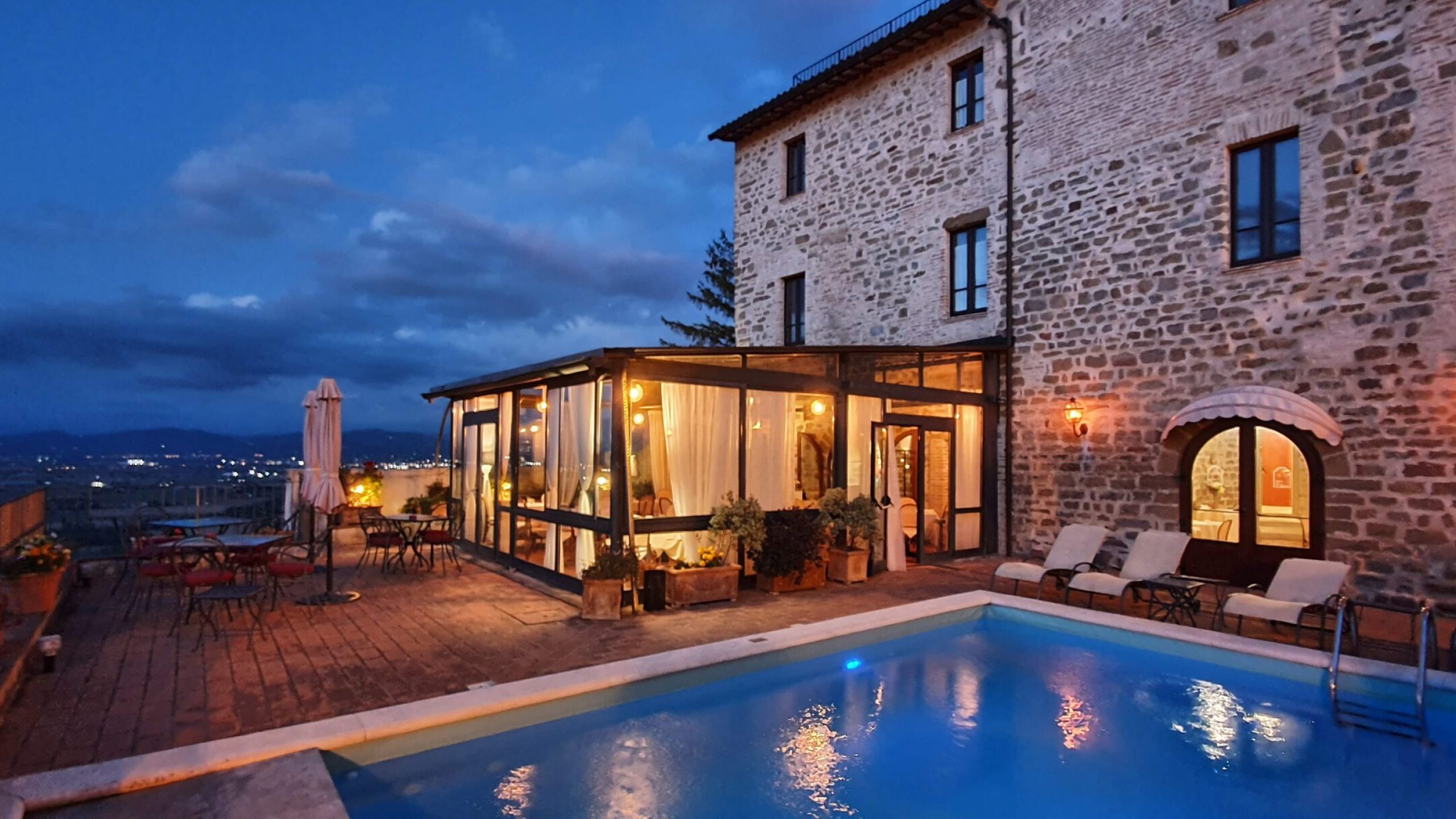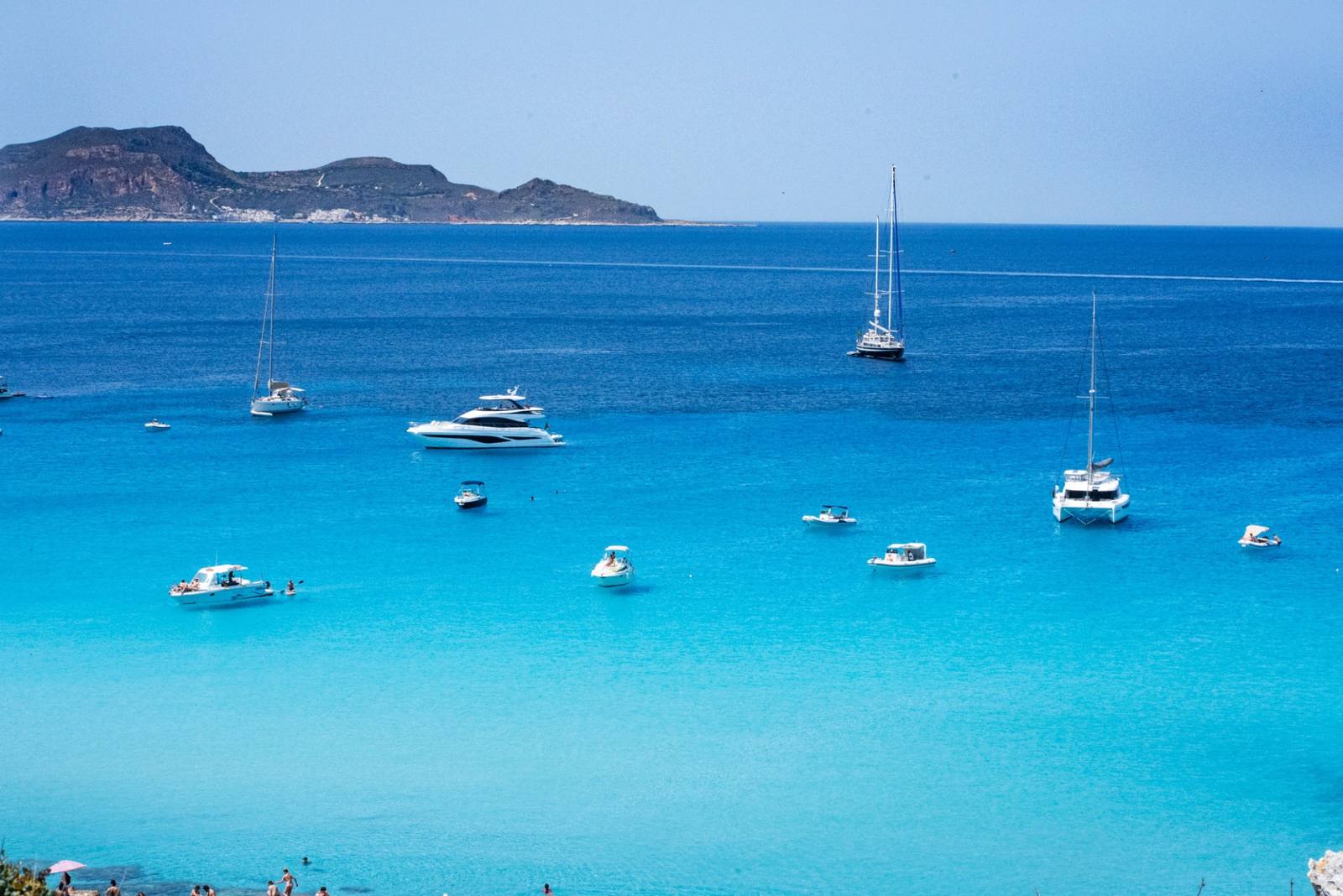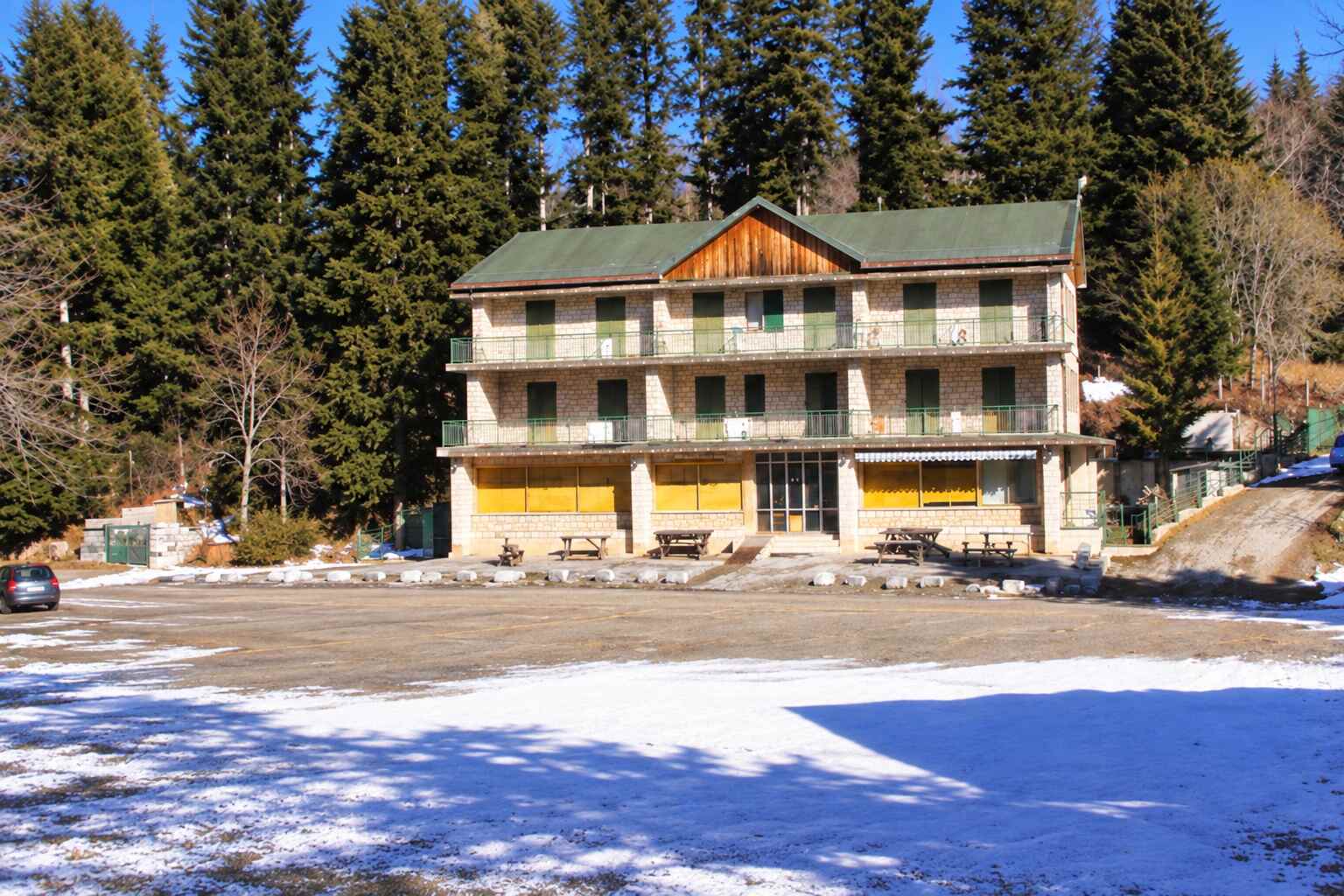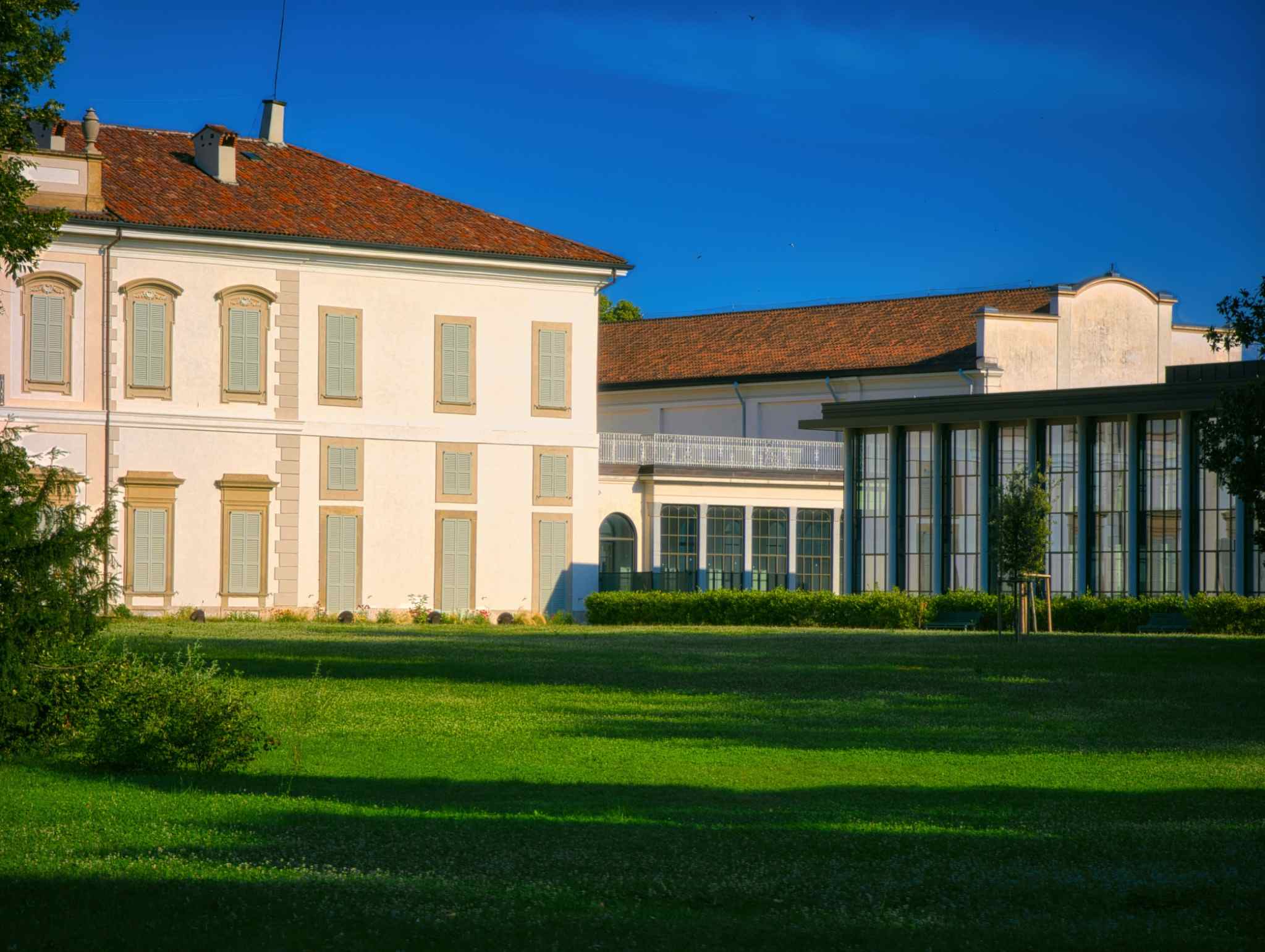
Lefay’s entry into the Marriott portfolio is not simply a branding move. It is an industrial signal.
Marriott, one of the world’s largest hotel groups, is entering luxury wellness not by creating a brand from scratch, but by partnering with an Italian operator that has already proven one essential point: when wellness is designed as an integrated experience, it can become a true hospitality category, not just an ancillary department within a hotel.
That is the point that matters to hotel investors.
For years, many properties believed that adding a spa was enough to position themselves in the wellness segment. Today, the market is saying the opposite. The evolved guest is no longer buying only treatments, pools, saunas or massages. They are buying time, silence, prevention, nutrition, nature, architecture, rituals, reputation, method and personal transformation.
In other words, they are buying an ecosystem.
The new Marriott-Lefay alliance captures precisely this evolution. Lefay Resort & SPA Lago di Garda and Lefay Resort & SPA Dolomiti are not simply luxury hotels with wellness centers. They are hospitality products built around a clear promise: to regenerate the guest through a combination of landscape, design, wellness medicine, sustainability, nutrition and service.
This approach reopens a crucial question for Italy: if luxury wellness is one of the strongest directions in international hospitality, can it also become the key to saving the Italian thermal spa industry?
The answer is yes. But only if Italy’s thermal spa sector accepts that it can no longer live on memory.
Italy has thermal waters. the world is buying wellness.
Italy’s paradox is clear.
The country has one of the most important thermal spa heritages in Europe: natural springs, certified waters, historic spa complexes, towns built around healing, valuable landscapes, medical traditions, villages, parks, monumental architecture and a culture of hospitality recognized around the world.
And yet, while the global wellness market is growing at impressive speed, many Italian thermal destinations are still struggling to move beyond an outdated narrative.
According to the Global Wellness Institute, the global wellness economy reached 6.8 trillion dollars in 2024 and is expected to grow to 9.8 trillion dollars by 2029. This is not a niche, nor is it a passing trend. It is a structural shift in consumption, driven by population aging, the search for prevention, attention to mental health, the need for nature and the growing desire for transformational experiences.
Italy’s thermal spa sector should naturally be at the center of this demand.
In many cases, however, it remains on the margins.
The reason is simple: for too long, Italian thermal destinations continued to sell “treatment” while the international market was buying “wellness.” They defended the therapeutic value of water, but often failed to build around that water a contemporary hospitality product that is desirable, measurable and internationally marketable.
The natural resource remains strong. The business model, much less so.
The decline of Italy’s thermal spa sector does not come from a lack of water
The crisis affecting many Italian thermal destinations is not caused by the loss of value of their waters. It is caused by the loss of centrality of the product.
The old thermal spa model was based on three pillars: subsidized treatments, repeat clientele and long stays. It was a system that made sense in another era, when spas were perceived as health facilities, thermal stays had an almost medical function and destinations could rely on relatively predictable flows.
That system created wealth, employment and real estate development. But it also created dependence.
When traditional medical demand began to decline, many destinations found themselves with oversized hotel stock, outdated properties, difficult-to-maintain spa facilities, fragile town centers and a reputation no longer aligned with the expectations of the new traveler.
Demand did not disappear. It moved.
It is no longer looking only for mud treatments, inhalation therapies, drinking cures or prescribed treatments. It is looking for longevity, sleep, detox, nutrition, movement, psychophysical balance, prevention, integrated medicine, nature, privacy, design, experience and quality of service.
Italy’s thermal spa sector did not fall into crisis because wellness grew. It fell into crisis because, while wellness was growing, too many destinations stood still.
Chianciano, Montecatini, Fiuggi: the risk of remaining trapped in the past
Chianciano Terme is one of the most symbolic cases. For decades, it was one of the capitals of Italian medical thermalism. Its hotel supply developed around large volumes, subsidized clients, long stays and seasonality connected to spa treatments.
When that model weakened, the destination had to face a difficult reality: too many hotels for the new demand, an aging perception, disused areas and the need to rethink its urban identity and tourism positioning.
Montecatini Terme represents a different but equally significant situation. It has a historic name, a strategic location in Tuscany, an important architectural heritage and greater international recognition than many other spa towns. And yet, the crisis of its traditional thermal function has weakened the destination, often turning it more into a base for visiting Tuscany than a primary reason for travel.
When a thermal town is no longer chosen for its thermal waters, the problem is not only tourism-related. It is existential.
Fiuggi, in turn, retains a very strong connection with water, drinking cures and health-related leisure. But here too, the future cannot be a replica of the past. Relaunching the destination means translating its tradition into a new product: prevention, healthy longevity, nutrition, movement, nature, hotel quality and personalized programs.
These destinations still have value. But their value is not automatic.
A historic name can help, but it is not enough. Real estate heritage can be an opportunity, but also a cost. Water can be a distinctive resource, but only if it is embedded within a contemporary hospitality platform.
Otherwise, the risk is to continue owning thermal assets without having a thermal product that the market actually wants to buy.
Abano and Montegrotto: stability does not mean transformation
The Euganean Thermal Basin, with Abano and Montegrotto, presents a more solid picture. Tourism numbers remain significant and confirm that thermal destinations can still generate meaningful demand. In 2024, overnight stays remained around 2.9 million, with a relevant international component and an average length of stay higher than in many traditional leisure destinations.
This proves that thermal tourism is not dead.
But it also proves something else: stability does not necessarily mean transformation.
Abano and Montegrotto have a strong market base, a recognized product and a deep hotel tradition. However, the real challenge over the coming years will be to increase quality, margins, the ability to attract new segments and international positioning.
The issue is not only how many overnight stays a destination can generate. It is how much value it can generate per stay.
For investors, this distinction is decisive. A destination may have significant volumes but compressed margins, or smaller numbers but higher rates, stronger reputation and greater ability to attract capital.
Luxury wellness operates precisely on this second dimension: it does not seek only occupancy, but average value, desirability, international distribution and pricing power.
Salsomaggiore and Thermae Berzieri: when regeneration becomes investment
Salsomaggiore Terme is one of the most interesting cases because it tells a story of both decline and possible rebirth.
The Thermae Berzieri are among the most iconic thermal buildings in Italy, an architectural and symbolic asset of extraordinary value. For years, however, the weakness of the traditional thermal model also affected the perception of the destination. When a building of this importance enters a crisis, it is not only the property that suffers. The entire town suffers.
The redevelopment of the Thermae Berzieri through CDP Real Asset and QC Terme points to a very clear path. Preserving heritage is not enough. It must be entrusted to a contemporary operating model.
The investment of more than 44 million euros matters not only because of its economic size. It matters because it reflects a new logic: recovering a historic asset, placing it within a recognizable wellness platform, connecting institutional capital with a specialized operator and transforming an architectural symbol into a tourism product.
That is the point.
Italy’s thermal spa industry can be relaunched when it stops being only heritage and becomes enterprise again. When a historic building is no longer treated as a passive monument, but as a hospitality machine. When the destination stops waiting for yesterday’s customers to return and starts building a proposition for tomorrow’s guests.
Why Lefay is not traditional thermal hospitality
Lefay is relevant precisely because it was not born inside the old thermal spa framework.
Its model does not rely solely on the presence of water. It relies on an integrated promise: wellness as a total experience. The guest does not enter the property to undergo a treatment, but to experience a form of regeneration. They are not buying a therapy, but a temporary transformation of their lifestyle.
This difference changes the entire hotel economy.
In traditional thermal hospitality, the treatment department was often the core of the trip and the hotel played a complementary role. In contemporary luxury wellness, everything is part of the product: rooms, spa, food and beverage, landscape, architecture, consulting, activities, silence, rituals, sustainability, service, storytelling and reputation.
The guest is not paying only to feel better. They are paying to feel immersed in a coherent system.
This is where Marriott adds value. The group brings global distribution, commercial strength, loyalty, investor relationships, development capacity and selective standardization. Lefay brings identity, method, wellness credibility, Italian roots and an experiential language that is already recognized.
The combination is powerful because it brings together two elements that have often remained separate in the Italian thermal spa sector: authenticity and scale.
The future of thermal spas is not the spa. it is the platform.
Many Italian thermal destinations have made one mistake: thinking that renewal means building or refurbishing a spa.
But a spa alone does not save a hotel. And it does not save a destination.
The future of Italy’s thermal spa sector depends on the construction of integrated platforms. A contemporary thermal platform must bring together at least seven components:
-
a recognizable natural resource;
-
a hospitality product consistent with its positioning;
-
an operator capable of managing wellness, hospitality and margins;
-
a credible narrative around health, prevention and quality of life;
-
a living, accessible and well-maintained destination;
-
international distribution;
-
public-private governance oriented toward value creation.
Without these elements, the risk is to create properties that look renewed but remain commercially weak.
The wellness market is sophisticated. It does not reward improvisation. The high-spending guest is willing to pay, but recognizes the difference between a real wellness project and a decorative spa. They can distinguish a resort designed for regeneration from a hotel using wellness as a slogan.
This means that the relaunch of the Italian thermal spa sector will not be universal. Some destinations will have the conditions to reposition themselves. Others will not. Some assets will be transformable. Others will remain difficult real estate.
For investors, selection will be decisive.
Where hotel investors can create value
The new wellness cycle opens important opportunities, but it does not allow shortcuts.
In Italy’s thermal spa sector, value is not created by buying discounted properties and waiting for the destination to improve. It is created by working on product, management, brand and demand.
The most interesting opportunities are five.
The first is the repositioning of existing hotels toward upscale or luxury wellness. Many properties have surfaces, parks, rooms and common areas that could be suitable, but they require significant investment, reduction of unprofitable capacity, higher standards and new management.
From this perspective, a professional reading of hotel valuation becomes essential: a thermal hotel is not worth what it used to be, but what it can generate after repositioning.
The second is the conversion of obsolete assets into retreats, medical spas, longevity resorts, senior wellness properties, rehabilitation hospitality concepts or wellness-related branded residences. Here the issue is not only hotel-related, but also real estate and demographic.
The third is the integration between historic spa facilities and hospitality. Thermal establishments isolated from the accommodation system risk being economically fragile. By contrast, when thermal facilities, hotels, restaurants, parks, activities and territory are integrated, guest spending power increases and the destination becomes stronger.
The fourth is the entry of specialized operators. In wellness, generic hotel management is not enough. Vertical expertise is required: treatments, protocols, qualified staff, nutrition, preventive medicine, experiential programming, retail, membership, revenue management and distribution.
The fifth is brand building. Italy’s thermal spa sector has many historic names, but few truly scalable contemporary brands. Lefay demonstrates that an Italian wellness brand can become attractive even to a global platform. This should make many destinations reflect on the fact that they may have important heritage, but weak commercial identities.
This issue is also central for those looking at hotel investments: in thermal wellness, what is being acquired is not only a property, but a potential system of revenues, costs, management, reputation and international demand.
The real issue: destinations to regenerate, not just hotels to renovate
The limit of many thermal spa operations is that they look at the building and not at the destination.
But a wellness resort does not live in isolation. It needs context. Landscape, accessibility, safety, urban quality, mobility, restaurants, culture, events, outdoor routes, local identity and the quality of public space directly affect the value of the hotel investment.
This is why the relaunch of thermal destinations cannot be delegated only to individual owners. It requires direction.
Italy’s most fragile thermal destinations do not need only new hotels. They need a new pact among property owners, operators, public administrations, investors, local communities and the tourism system.
Luxury wellness can work only if the destination supports the promise of the hotel. A resort can be excellent, but if the surrounding area is marked by deterioration, vacant commercial spaces, neglected public areas and lack of vision, positioning becomes more difficult.
Conversely, when hotel and destination reinforce each other, real estate value grows, length of stay increases, average rate rises and the investment becomes more defensible.
In this logic, hotel asset management becomes decisive: capital is protected not only by buying well, but by governing product, management, capex, risk and positioning over time.
Can new luxury brands save Italy’s thermal spa sector?
They can help. They can accelerate. They can bring method, distribution, reputation and investment capacity.
But they cannot perform miracles.
Luxury wellness brands can save only those destinations that are willing to change their model. They will not save a thermal sector that merely restores buildings without rethinking the product. They will not save hotels that add a spa without changing service, rates, target markets and management. They will not save destinations that continue to speak to a demand that no longer exists in the same form as in the past.
The point is not to turn all Italian thermal destinations into luxury resorts. That would be impossible, and also wrong.
The point is to use the growth of wellness to build different segments: luxury wellness, medical wellness, longevity, preventive tourism, accessible wellness, evolved senior tourism, corporate retreats, sports programs, light rehabilitation, nutrition and health, nature and regeneration.
Italy’s thermal spa sector must stop being a single category. It must become a platform of products.
On these issues, the Investimenti Alberghieri blog can become a natural observatory for reading operations, capital, assets, brands and management models connected to hospitality. At the same time, the work of specialized players such as Investhotel becomes relevant when the issue is not only hotel management, but the transformation of complex assets, distressed situations, hotel portfolios or properties to be brought back to value.
The real Marriott-Lefay lesson
The Marriott-Lefay lesson is not that everyone should copy Lefay.
The lesson is that wellness, when designed coherently, can become a hospitality asset class. It can attract capital, brands, international operators and high-spending guests. It can support high rates, reduce dependence on seasonality, increase average length of stay and give new life to mature territories.
For Italy, this is a major opportunity.
Few countries can combine thermal waters, landscape, food, historic heritage, service culture, villages, climate and international reputation as Italy can. But potential competitive advantage is not enough. It must be transformed into product.
Italy’s thermal spa sector will not be saved by nostalgia. It will not be saved by subsidized treatments alone. It will not be saved by cosmetic renovations. And it will not be saved even by an international brand, if there is no destination vision behind it.
It will be saved when water, real estate, management, capital and market start speaking the same language again.
Luxury wellness can be one of the most important keys to this transformation. But the lock is still in the hands of Italian destinations.
The question, therefore, is not whether Marriott and Lefay are right to bet on wellness. The market has already answered.
The real question is whether Italy’s thermal spa sector is ready to stop selling the past and start designing the future.