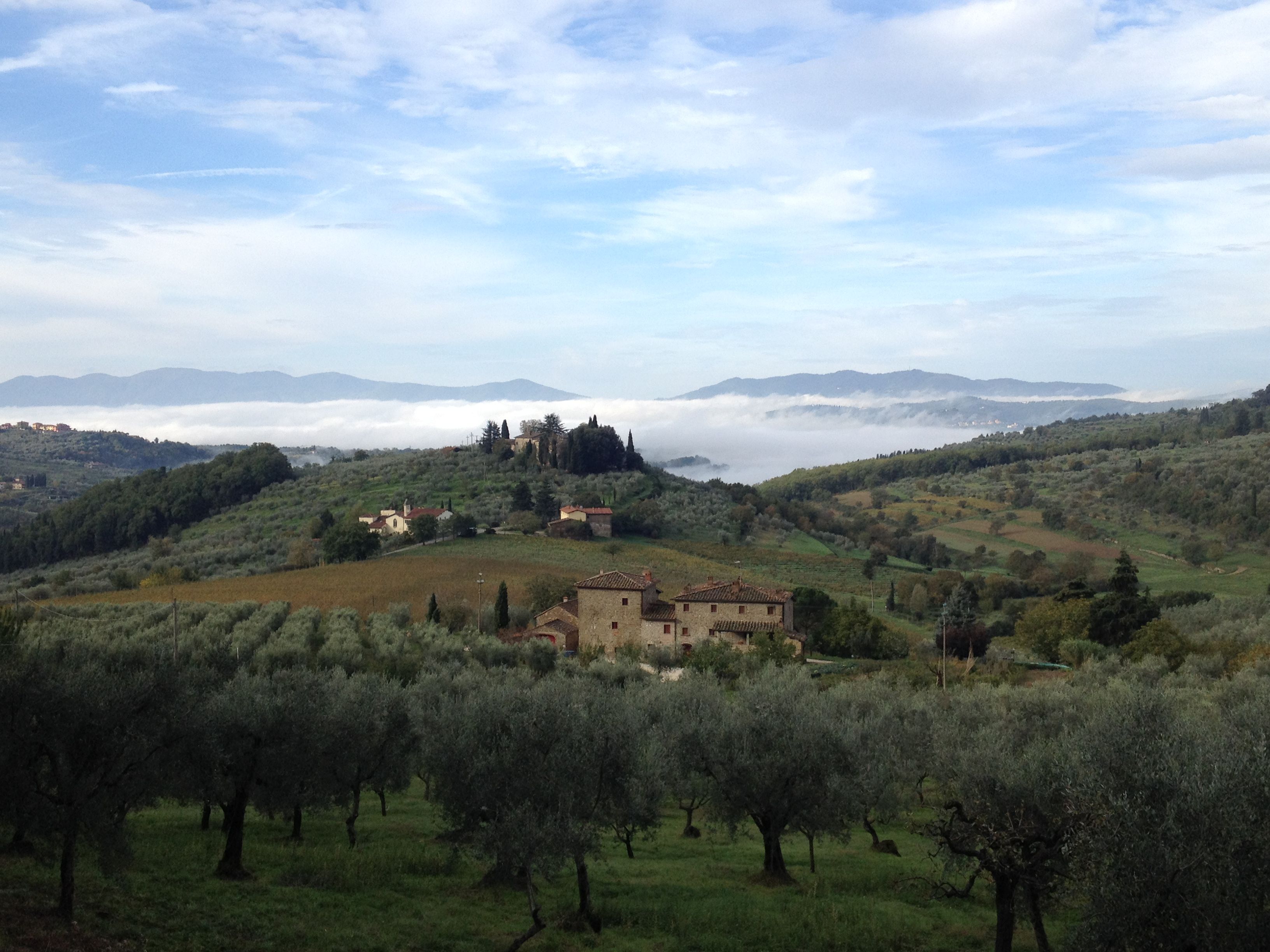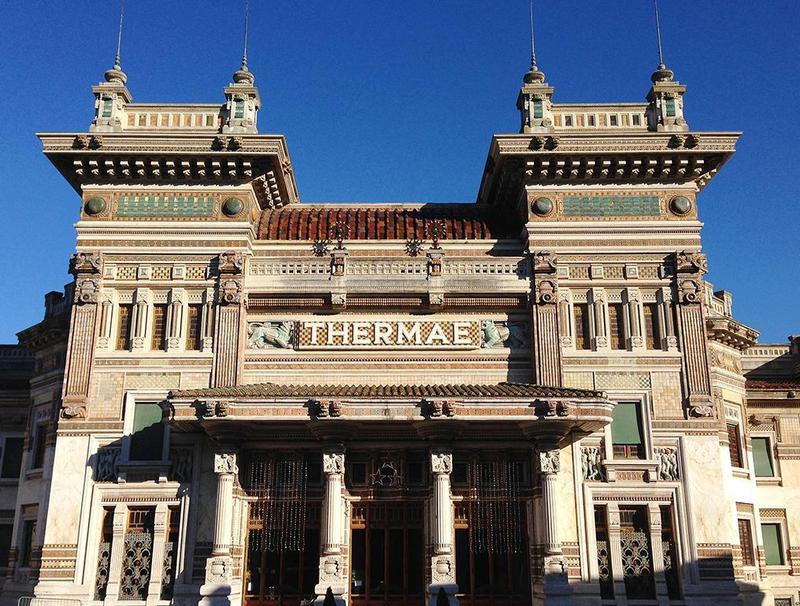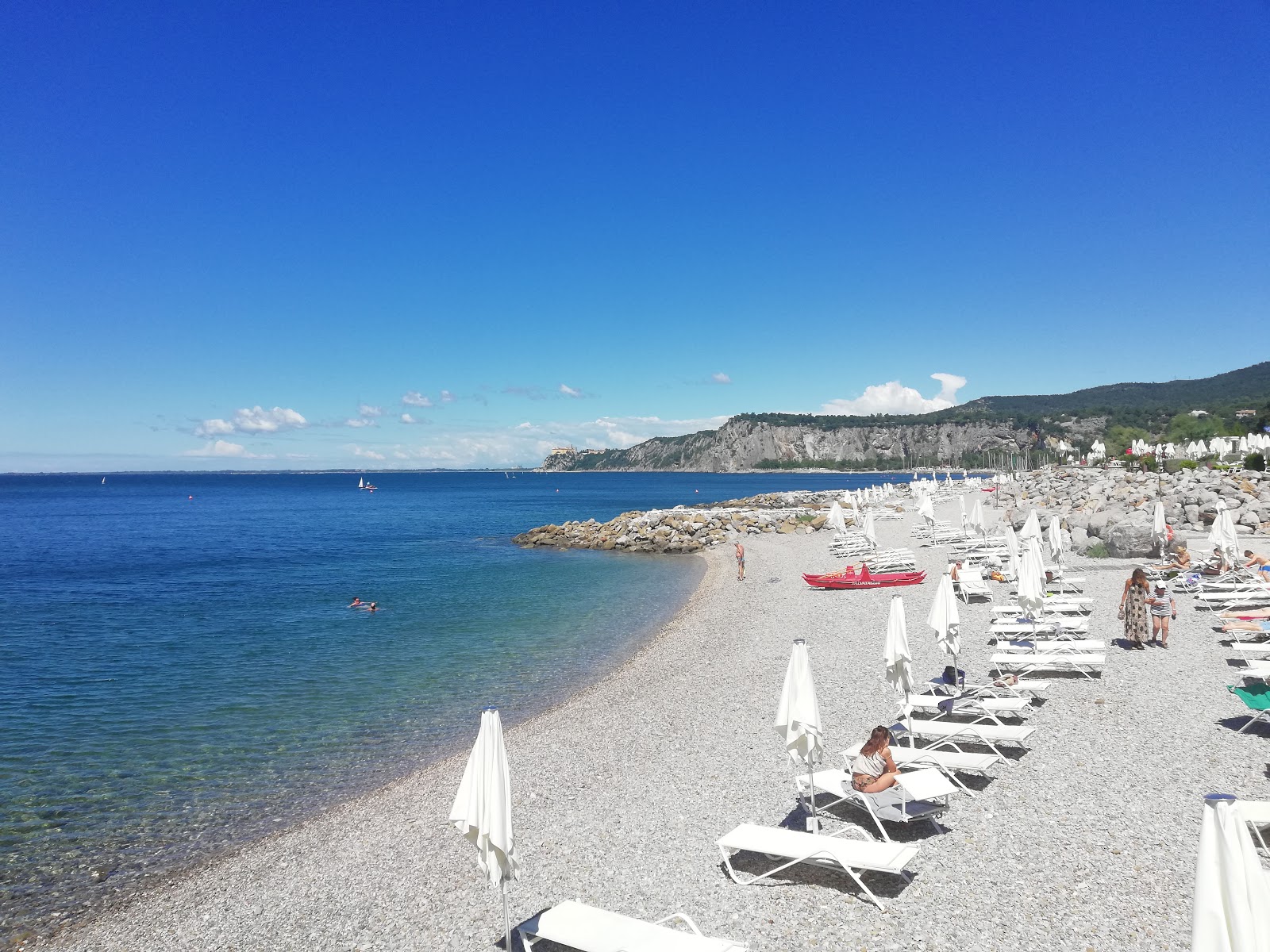
Cheyne Capital has refinanced the Portopiccolo portfolio with a €26 million senior loan. Behind the transaction stand H.I.G. Capital, Minor Hotels, a mixed-use asset base and strong ESG credentials. But for an investor, the key question is different: how much of the asset’s value is genuinely supported by operating cash flow, and how much depends on collateral value?
The refinancing announced by Cheyne Capital for Portopiccolo Sistiana should not be viewed simply as another real estate financing transaction.
The €26 million senior debt facility provided to refinance a portfolio comprising a luxury hotel, residential units, retail space and parking assets offers a particularly relevant case study in the evolution of European hospitality credit.
The hospitality component is represented by the Tivoli Portopiccolo Sistiana Wellness Resort & Spa, a five-star property operating within the Minor Hotels platform. The transaction is sponsored by affiliates of H.I.G. Capital.
On paper, the deal displays many of the features typically associated with institutional financing: an international sponsor, an established operator, a high-quality asset, a leisure destination and diversified collateral.
A genuine investment advisory analysis, however, needs to go further.
The fundamental question is not:
“Has an international lender financed Portopiccolo?”
The right question is:
“Which cash flows and underlying asset values make €26 million of senior debt sustainable over time?”
That distinction separates reporting the transaction from analysing its financial substance.
The First Mistake Would Be to Treat Portopiccolo as Just a Hotel
Portopiccolo has a considerably more complex structure than a traditional single-asset hotel financing.
The portfolio combines:
hotel accommodation, residential units, retail activities, parking facilities and other destination-related services.
This materially changes the way a lender may approach underwriting.
In a conventional hotel financing, debt service capacity should primarily derive from operations:
Revenue → GOP → EBITDA → CFADS → Debt Service.
In a mixed-use asset, however, other elements become relevant at the same time: the real estate value of residential units, income from retail premises, parking revenues, potential residential disposals and the terminal value of the overall development.
The critical question therefore becomes:
Is the financing primarily cash-flow based or collateral based?
The distinction is fundamental.
An asset may carry a high real estate valuation while generating insufficient cash to comfortably service its debt.
Conversely, a hotel producing strong and resilient operating cash flow may represent a sound credit proposition even with less aggressive real estate metrics.
This is precisely the type of distinction that should underpin investment analysis on InvestimentiAlberghieri.it.
€26 Million Does Not Tell Us Whether the Financing Is Conservative or Aggressive
The headline figure is a €26 million senior loan.
From a credit perspective, however, the absolute amount says relatively little.
To understand the actual risk profile, one would need to know at least:
LTV, DSCR, debt yield, tenor, cost of debt, amortisation profile, covenants, any interest reserve, cash sweep mechanisms and the security package.
These terms have not been fully disclosed publicly.
That point matters.
A €26 million financing could represent:
a highly conservative 30% LTV structure;
or a substantially higher leverage profile carrying a completely different degree of risk.
The same applies to debt service.
Assume, purely for illustration, an all-in financing cost of 7%.
Annual cash interest alone would amount to approximately:
€26 million × 7% = €1.82 million.
Once amortisation, fees and other financing costs are added, the annual cash requirement could rise further.
This makes clear why the relevant metric is not simply the face value of the loan.
It is CFADS — Cash Flow Available for Debt Service.
DSCR: the Metric That Matters More Than the Press Release
In hospitality refinancing, one of the key credit metrics remains the Debt Service Coverage Ratio.
The formula is straightforward:
DSCR = CFADS / Debt Service
Its implications are not.
A DSCR of 1.00x means available cash flow covers debt service exactly.
A higher ratio creates a buffer capable of absorbing:
declining occupancy, ADR compression, higher payroll costs, rising energy expenditure, additional CAPEX requirements or macroeconomic shocks.
A robust credit committee should therefore assess more than the business plan DSCR.
It should stress-test it.
And this is where the Portopiccolo transaction becomes particularly interesting.
The Stress Test an Institutional Lender Should Run
To assess the real sustainability of the financial structure, the relevant question is what happens if several adverse assumptions occur simultaneously:
ADR declines;
occupancy falls by several percentage points;
labour costs increase;
GOP margins compress;
the cost of capital remains elevated;
real estate values decline;
residential units take longer than expected to monetise.
The purpose is not to predict that these events will occur.
It is to understand how much debt the asset can withstand even if the business plan is not delivered perfectly.
That should be the underlying philosophy of any hospitality financing case.
It is also one of the core principles behind valuation, restructuring and capital advisory work within Investhotel.it.
Mixed-Use: Diversification or Greater Complexity?
The coexistence of hospitality, residential and retail components is often regarded as diversification.
And it can be.
But diversification should not automatically be equated with lower risk.
Mixed-use portfolios also introduce greater complexity.
Different components may have:
different liquidity profiles, different valuation methodologies, different monetisation timelines and different levels of exposure to the economic cycle.
The hotel generates operating cash flow.
Residential units may generate value through sale or rental.
Retail generates income but depends on tenant quality, occupancy and lease duration.
Parking represents an ancillary business.
The lender therefore needs to understand how much each component contributes to:
cash flow, collateral value and exit optionality.
The sum of the individual real estate valuations does not automatically equate to a sustainable financing structure.
H.I.G. Capital: Why Sponsor Quality Can Matter Almost as Much as the Asset
The second important feature is the involvement of H.I.G. Capital through affiliated entities.
In institutional hospitality transactions, sponsor quality represents a major underwriting consideration.
A lender is not simply financing a building.
It is financing:
Asset + Sponsor + Management + Business Plan + Exit Strategy.
The sponsor needs sufficient financial capacity, execution capability and the ability to inject additional equity if the business plan requires it.
For a credit committee, relevant considerations therefore include the sponsor’s real estate track record, capital availability, governance framework, execution capability and ability to absorb potential cost overruns.
An institutional sponsor can mitigate certain risks.
But it does not remove the need for the asset to be fundamentally sustainable on its own.
This is a critical point.
A strong sponsor improves the credit profile.
It does not replace cash flow.
Minor Hotels: the Brand Helps, but It Does Not Guarantee Performance
A similar principle applies to Minor Hotels, through the Tivoli Hotels & Resorts brand.
An international hotel platform can deliver significant benefits in terms of:
distribution, loyalty, revenue management, reputation, international market access and commercial capabilities.
But again, simplification should be avoided.
Brand value does not automatically translate into asset value.
From a financial perspective, the analysis should include the management or franchise agreement, fee structure, performance tests, termination provisions and the relationship between gross revenue and GOP.
The real question is:
how much incremental operating value does the operator generate relative to the total cost of the management agreement?
This is why rigorous hotel due diligence cannot separate real estate analysis from operational analysis.
It is an integrated approach that also underpins the work carried out by Hotel Management Group.
ESG: the Real Issue Is Not the Certification, but Future CAPEX
One of the most interesting aspects of the transaction is the asset’s sustainability profile.
The resort holds LEED Platinum and WELL Platinum certifications, while the residential units benefit from high energy-efficiency ratings.
The mistake would be to stop at the reputational value of those certifications.
For a financial investor, the analysis should go further.
The real question is:
How much future CAPEX can a technically efficient asset potentially avoid?
The financial logic becomes:
Energy Efficiency → Lower Obsolescence → Lower Future CAPEX → NOI Protection → Greater Value Resilience.
This is where ESG and finance genuinely intersect.
Not because a sustainable building must automatically command a higher valuation.
But because it may be less exposed to technical and regulatory obsolescence.
For a lender with a multi-year investment horizon, this consideration can become increasingly material.
Refinancing Must Also Work at Exit
The third critical area of analysis is the exit.
Every refinancing implicitly contains a future question:
Who will repay the debt at maturity?
There are generally three possibilities:
cash flow generated by the asset;
sale of the asset;
a new refinancing.
The third scenario is frequently underestimated.
If the remaining debt must be refinanced at maturity, the credit case becomes dependent on future market conditions.
That means:
interest rates, asset values, EBITDA, lender appetite and the broader condition of the real estate credit market.
This is why initial loan-to-value is not enough.
An exit LTV under stress should also be calculated.
If the asset loses 15% of its value at maturity, can the debt still be refinanced?
If interest rates remain higher than expected, does DSCR remain adequate?
If hotel GOP underperforms the business plan, how much additional equity would be required?
These are the questions that turn a financing model into a genuine risk analysis.
Debt Yield: the Often-Overlooked Metric
In a market where property values can fluctuate materially, Debt Yield becomes particularly important.
The formula is:
Debt Yield = NOI / Loan Amount
Unlike LTV, Debt Yield does not directly depend on an external property valuation.
It measures how much income the asset produces relative to the amount lent.
For this reason, many lenders use it as an important complementary control metric.
An apparently conservative LTV based on an aggressive valuation can produce a misleading picture.
Debt Yield forces the analysis back to the underlying question:
How much income does the collateral actually generate?
Five Questions an Investment Committee Should Answer
Before forming any definitive view on the transaction, an investment committee should be able to reconstruct at least five core areas:
-
Cash-flow sustainability: whether the hotel and other components generate sufficient CFADS even under downside scenarios.
-
Leverage: initial LTV, stressed LTV and the relationship between debt and the realistically liquid value of the collateral.
-
Debt service: base-case and downside DSCR, the all-in cost of financing and the amortisation profile.
-
Exit strategy: the ability to refinance or monetise the portfolio at maturity even under less favourable market conditions.
-
Sponsor support: the level of equity invested and the sponsor’s ability to fund additional capital requirements.
Without these data, it is possible to analyse the overall architecture of the transaction.
It is not possible to fully quantify its financial risk.
That distinction should be maintained.
Why Portopiccolo Matters More Than the €26 Million Headline
The strategic significance of the transaction is not limited to Cheyne Capital.
Nor is it limited to Portopiccolo.
The real issue is what the financing tells us about the market.
Alternative capital is becoming increasingly relevant in European real estate finance, and hospitality is one of the sectors where this evolution may prove particularly significant.
Traditional banks will continue to play a central role.
But alongside them, the market is seeing increasing activity from:
debt funds, private credit providers, real estate lenders and specialist financing platforms.
For hotel investors, this fundamentally changes the financing approach.
The question is no longer simply which bank will finance the hotel.
The task is to design a capital structure aligned with:
operating risk, investment duration, CAPEX requirements, leverage, the business plan and the exit strategy.
The Real Lesson from Portopiccolo
The Portopiccolo case leads to one particularly important conclusion.
In today’s European hotel investment market, real estate value alone is no longer enough.
Nor is an international brand.
Nor is a major investment fund as sponsor.
Nor is a strong ESG certification.
Nor is an optimistic business plan.
Financial sustainability comes from the alignment of all these elements.
The real equation is:
**Asset Quality
- Operating Performance
- Sponsor Quality
- Sustainable Leverage
- Exit Liquidity.**
If any one of these components is overstated, the risk embedded in the structure increases.
That is why the Cheyne–Portopiccolo transaction matters.
Not simply because it demonstrates that capital is available for Italian hospitality.
But because it shows what characteristics a hotel asset increasingly needs in order to engage with the international institutional credit market.
And for the Italian hospitality sector, that is a far more important message than the €26 million financing headline.
Investimenti Alberghieri
InvestimentiAlberghieri.it provides analysis of hotel investment, asset enhancement, development, refinancing and financial restructuring transactions.
The wider ecosystem also includes Robertonecci.it, focused on tourism economics and strategic analysis; Investhotel.it, dedicated to corporate finance, turnaround and hospitality transactions; and HotelManagementGroup.it, focused on advisory, management and hotel operating performance.
For feasibility studies, financial analysis, refinancing and the structuring of hotel investments:
info@investimentialberghieri.it