Reserve price: €127,850. Minimum bid: €95,888. A hotel property in Saltino di Vallombrosa, in the municipality of Reggello, is entering the decisive stage of a judicial sale process. The number is striking, but it may also lead investors in the wrong direction: in a hotel requiring significant redevelopment, the true investment is not the price paid to acquire the property. It is the total amount of capital required to bring it back to market and generate a sustainable return.
Less than €100,000 for a hotel property in Tuscany.
It is inevitably the figure that attracts attention.
But it is probably also the figure a professional investor should treat with the greatest caution.
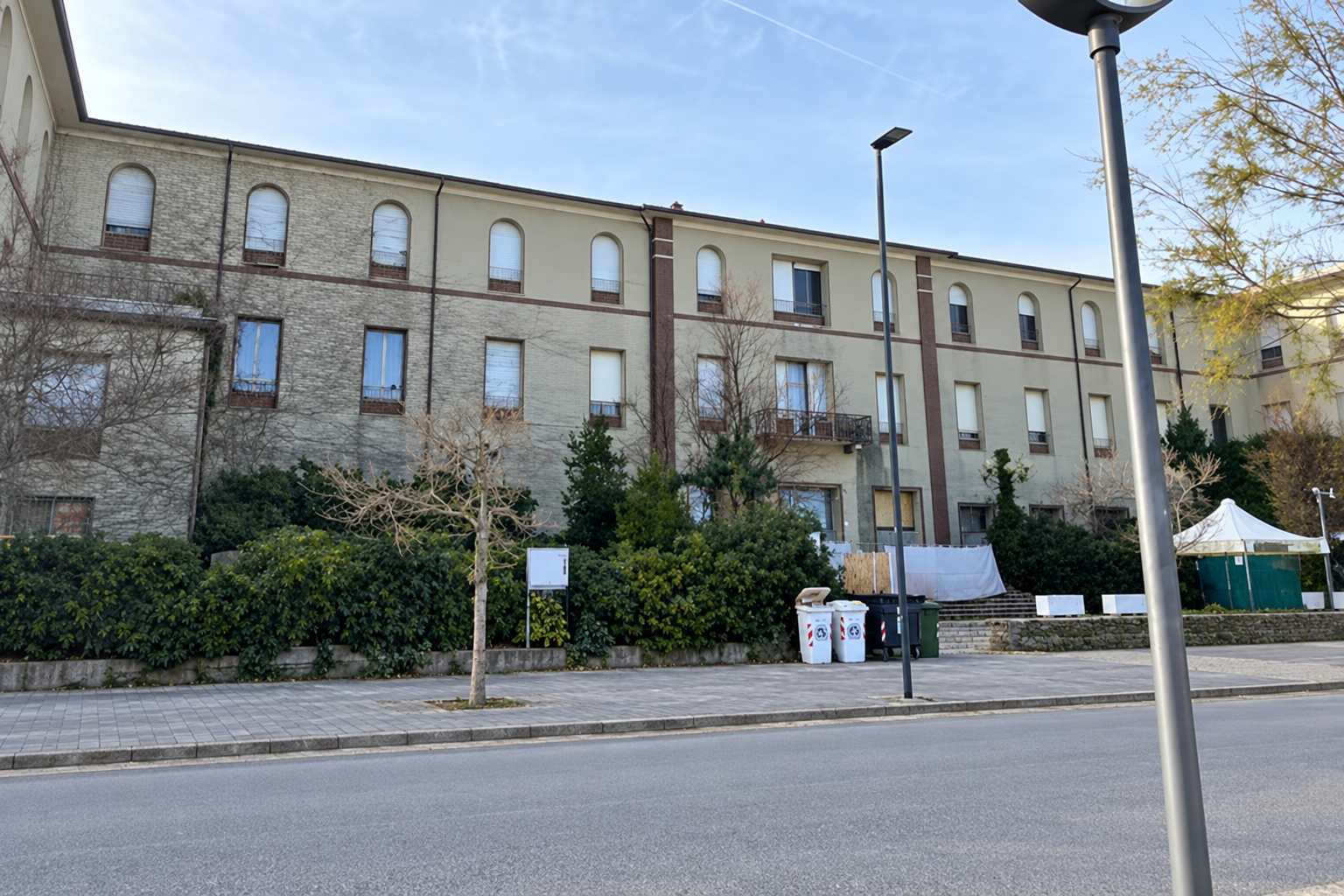
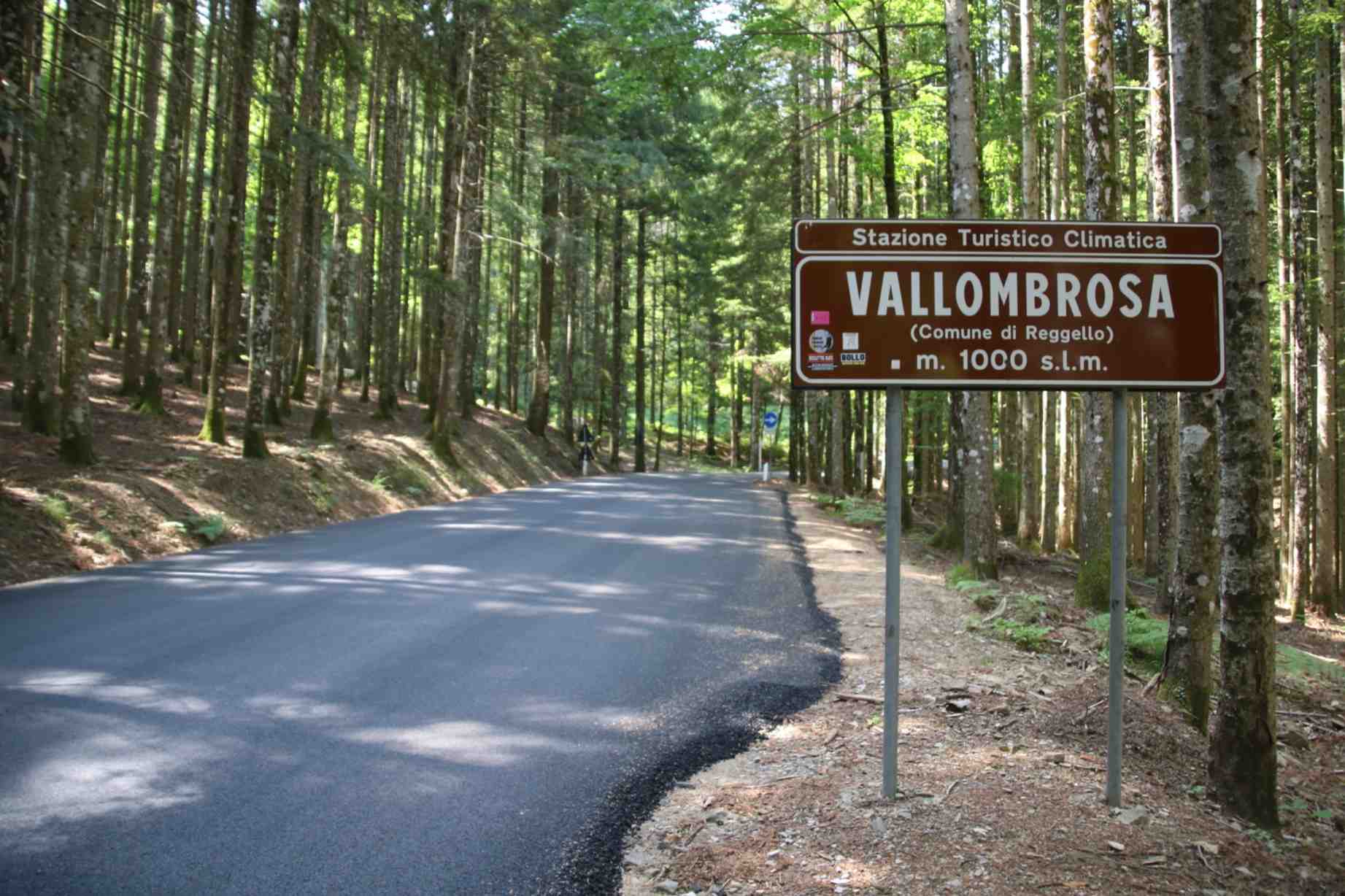
In Saltino di Vallombrosa, in the municipality of Reggello, enforcement proceeding No. 224/2020 before the Court of Florence concerns a hospitality property located at 35 Via San Giovanni Gualberto.
The sale documentation indicates:
Reserve price: €127,850
Minimum bid: €95,888
Minimum bidding increment: €4,000
Deadline for offers: 5 October 2026, 3:30 p.m.
Sale date: 6 October 2026, 3:30 p.m.
The property is reported as vacant.
According to the sale documentation, the building comprises three above-ground floors and three basement levels, together with external areas, an arrival forecourt and parking spaces.
The property includes a lobby, lounge and dining room, kitchen, service areas and guestrooms with bathrooms.
At first sight, it may look like an exceptional real estate opportunity.
But in hospitality, the right question is not:
“How much does it cost to buy the hotel?”
It is:
“How much capital will actually be required to turn it back into a hotel capable of generating cash flow?”
That is an entirely different question.
The Paradox of a Low Purchase Price
In conventional real estate, an unusually low acquisition price can immediately represent a competitive advantage.
In hospitality, not necessarily.
A hotel is simultaneously:
real estate + operating business.
The property only creates value if it can be transformed into an economically sustainable operating asset.
This means that a very low acquisition price can quickly become almost immaterial when compared with:
-
construction works;
-
mechanical and electrical systems;
-
energy upgrades;
-
fire-safety compliance;
-
lifts;
-
guestrooms;
-
bathrooms;
-
kitchens;
-
public areas;
-
FF&E;
-
technology;
-
design and engineering;
-
professional fees;
-
pre-opening expenditure;
-
working capital;
-
interest during the redevelopment period.
This is where the real investment case begins.
Acquisition Price ≠ Investment Cost
One of the most common mistakes when assessing distressed hotel real estate is to confuse:
Acquisition Price
with
Total Investment Cost
They are fundamentally different metrics.
In simplified terms, the true economic cost of the transaction should be assessed as:
**Acquisition Price
-
Transaction Costs
-
Technical Due Diligence
-
Planning & Professional Fees
-
CAPEX
-
FF&E
-
Pre-opening Costs
-
Working Capital
-
Financing Costs
-
Contingency**
The result is the:
Total Cost Basis
And this is the figure against which an investor must calculate returns.
Not the €95,888 minimum bid.
When the Purchase Price Becomes Almost Irrelevant
Suppose an investor succeeds in acquiring a hotel property at an extremely low price.
At first glance, the investment may appear low-risk.
But assume that the asset then requires substantial redevelopment.
In that case, the purchase price could represent only a small fraction of the overall capital commitment.
The economic risk would therefore shift:
from acquisition price
to
execution risk.
This is a typical dynamic in hotel redevelopment.
The lower the acquisition price becomes relative to the capital required for transformation, the more important the investor’s ability becomes to:
design, finance, execute and operate the project successfully.
Cheap Real Estate Does Not Mean a Cheap Investment
This distinction is fundamental.
A property can be acquired at what appears to be an exceptionally attractive price and still become a mediocre investment.
Because returns are not determined by the absolute purchase price.
They are determined by the relationship between:
Total Capital Invested
and
Future Cash Flow Generated.
In highly simplified terms:
Return = Cash Flow / Total Invested Capital
It is therefore possible to buy real estate extremely well and still invest poorly.
Equally, an investor may acquire at a less aggressive entry price and still create an outstanding investment through:
-
the right product;
-
disciplined CAPEX;
-
appropriate pricing;
-
an efficient operating model;
-
sustainable leverage.
The First Due Diligence Is Not Technical. It Is Market-Based.
Before analysing walls, mechanical systems or construction works, an investor should answer one question:
Is there sufficient hotel demand to support the new product?
Vallombrosa and Saltino have a strong natural, scenic and historical identity.
But destination identity does not automatically translate into profitable hotel demand.
The analysis should therefore assess:
-
market size;
-
source markets;
-
seasonality;
-
average length of stay;
-
achievable ADR;
-
occupancy;
-
competitors;
-
weekend demand;
-
group demand;
-
religious tourism;
-
nature and outdoor tourism;
-
food-related experiences;
-
international demand;
-
potential for year-round business.
First analyse the market.
Then define the hotel.
Not the other way around.
The Product Should Be Redesigned Around Demand
One of the most expensive mistakes would be simply to “reopen the hotel” by replicating its previous operating model.
A property returning to market after a long period of inactivity should instead be treated as a new project.
The question should be:
if this hotel did not exist today, what product would we build in this location?
It could be:
-
a leisure hotel;
-
a nature retreat;
-
a bike hotel;
-
a wellness destination;
-
a small resort;
-
territory-led experiential hospitality;
-
a property focused on groups and corporate retreats;
-
a hybrid hospitality concept.
The answer must be driven by the market.
Not by the historic configuration of the building.
Highest and Best Use Comes Before the Business Plan
Professional real estate analysis relies on a fundamental principle:
Highest and Best Use
What use is:
legally permissible, physically possible, financially feasible and capable of generating the highest value?
This question should be answered before capital is committed.
The fact that a building historically operated as a hotel does not necessarily mean that the same hotel configuration still represents its optimal use today.
Due diligence should therefore examine four dimensions simultaneously.
Planning
What uses are legally permitted?
Technical
How much transformation does the building require?
Market
Which product can demand realistically absorb?
Financial
Which configuration generates the strongest risk-adjusted return?
Only where these four analyses intersect does a rational investment decision emerge.
Development Due Diligence: The Work That Comes Before Construction
Before acquiring an asset of this nature, an investor should undertake a genuine:
Development Due Diligence
Not merely a technical survey.
The analysis should include at least:
1. Structure
Condition of structural components and the building envelope.
2. Building Systems
Condition and adaptability of electrical, plumbing, HVAC and fire-safety systems.
3. Energy
Energy performance and the CAPEX required to achieve economically sustainable standards.
4. Layout
Number of guestrooms that can realistically be created and whether their size is consistent with the intended positioning.
5. Vertical Transportation
Lifts, service lifts and separation of operating flows.
6. Back of House
Housekeeping, storage, staff circulation, deliveries and logistics.
7. Food & Beverage
Kitchen, restaurant and the ability of F&B to create value rather than merely generate costs.
8. FF&E
Furniture, fixtures and operating equipment.
9. External Areas
Parking, access, gardens and leisure potential.
10. Contingency
Allowance for unforeseen costs.
In complex redevelopment projects, contingency is not excessive caution.
It is financial discipline.
CAPEX per Key: The Metric That Can Change Everything
Once the concept has been defined, the investor should convert the project into another key metric:
CAPEX per Key
How much capital is required for every commercially viable guestroom?
Because the theoretical number of existing rooms is largely irrelevant if some of them:
-
are not competitively sized;
-
require reconfiguration;
-
cannot support sufficient ADR;
-
carry disproportionate operating costs.
The real question becomes:
what is the total capital required to create each room that is genuinely marketable and competitive?
This is one of the most important metrics in the entire project.
The Real Benchmark Is Not €95,888
The minimum bid inevitably becomes the psychological reference point of the transaction.
But the correct comparison should be different:
Total Cost Basis vs Stabilised Value
On one side:
how much capital will the project require in total?
On the other:
what could the hotel be worth once redeveloped and stabilised?
The difference between these two figures represents the true value-creation potential.
Conceptually:
Stabilised Value
– Total Cost Basis
= Development Value Creation
If that spread is not wide enough to compensate for:
-
risk;
-
time;
-
capital;
-
execution;
the project is not attractive.
Even if the property is acquired almost for free.
Stabilised EBITDA: The Ultimate Test
Eventually, every analysis must converge on operating performance.
How much EBITDA can the hotel sustainably generate?
Because over the long term, the value of a hospitality asset depends on its ability to produce cash flow.
The investor therefore needs a business plan that defines:
-
ADR;
-
occupancy;
-
RevPAR;
-
room revenue;
-
F&B revenue;
-
ancillary revenue;
-
payroll;
-
energy costs;
-
OTA commissions;
-
marketing;
-
maintenance;
-
GOP;
-
management costs;
-
EBITDA.
Only then can the real value of the asset be assessed.
Debt Capacity Comes After Cash Flow
Another common mistake is to ask immediately:
how much will a bank finance?
The better question is:
How Much Debt Can the Cash Flow Support?
These are different concepts.
Debt should be sized according to the project’s ability to:
-
service interest;
-
repay principal;
-
maintain an adequate DSCR;
-
fund maintenance;
-
absorb operating shocks.
The property provides collateral.
But cash flow repays the loan.
Stress Testing: A Business Plan Should Not Work Only When Everything Goes Right
A hotel project should be tested across at least three scenarios.
Base Case
CAPEX, timing and operating performance consistent with the central assumptions.
Downside Case
Higher costs, delayed opening, and ADR or occupancy below expectations.
Severe Downside
A combination of:
-
CAPEX overruns;
-
delays;
-
weaker demand;
-
higher financing costs.
The question is:
does the equity remain protected even under the downside scenario?
If a relatively small deviation destroys the return, the project does not have a sufficient margin of safety.
Time Is Capital
In a redevelopment project, time is not neutral.
Every month before opening generates:
-
interest expense;
-
professional fees;
-
overhead;
-
capital tied up;
-
foregone revenue.
An inexpensive acquisition can progressively become more expensive if the project takes too long to reach the market.
This leads to a simple rule:
Time to Market = Financial Variable
It is not enough to estimate how much the project will cost.
An investor must also estimate when the project will begin producing cash flow.
The Vallombrosa Case: The Price Is the Headline, but It Is Not the Investment
The €95,888 minimum bid inevitably attracts attention.
But an advisor should do exactly the opposite:
remove the purchase price from the centre of the analysis.
Because we do not yet know:
-
how much CAPEX will be required;
-
which product is optimal;
-
what ADR the market can support;
-
what occupancy is achievable;
-
how much EBITDA the asset can generate;
-
how much debt it can support;
-
what stabilised value it can ultimately reach.
These are the variables that determine whether the transaction can create value.
Not the minimum entry price.
The Ten Questions a Professional Investor Would Ask
Before deciding whether to participate in a procedure involving a hospitality asset of this type, a professional investor should obtain at least ten answers.
1.
What is the Total Cost Basis of the investment?
2.
What level of technical CAPEX is genuinely required?
3.
What is the Highest and Best Use of the property?
4.
How many commercially competitive guestrooms can realistically be created?
5.
What is the CAPEX per key?
6.
What ADR can the destination realistically support?
7.
What stabilised occupancy can reasonably be achieved?
8.
What Stabilised EBITDA can the asset generate?
9.
What is the project’s Debt Capacity?
10.
Does the Stabilised Value adequately compensate for capital, risk and time?
Only then does the acquisition price acquire real meaning.
The Most Important Rule: Do Not Buy the Price
Distressed opportunities are inherently attractive.
The headline number is low.
The discount relative to previous valuations can appear enormous.
The transaction may therefore seem automatically compelling.
But a professional investor does not buy a discount.
A professional investor buys a future return.
A hotel available for less than €100,000 may represent an extraordinary opportunity.
Or it may require an amount of capital entirely disproportionate to the cash flow it can eventually generate.
That distinction does not appear in the sale notice.
It emerges from analysis.
From Distressed Asset to Investment Case
The real work therefore begins before the bid.
The objective is to transform:
a property for sale
into
an investment case.
That requires a precise sequence:
Market Analysis
→ Highest and Best Use
→ Technical Due Diligence
→ Concept
→ CAPEX
→ Business Plan
→ Financing Structure
→ Stress Test
→ Stabilised Value
→ Exit Strategy
If this chain does not work, a low purchase price will not rescue the transaction.
If it does work, distressed real estate can become a genuine platform for value creation.
The Investimenti Alberghieri Approach
InvestimentiAlberghieri.it analyses hotels, resorts, distressed properties and hospitality assets requiring repositioning by assessing the entire investment case, rather than focusing solely on the asking price.
The platform integrates the strategic analysis developed through RobertoNecci.it, the hotel investment and financial expertise of Investhotel.it, and the operational hospitality experience of HotelManagementGroup.it.
A hospitality dossier should therefore be analysed through:
-
market fundamentals;
-
real estate;
-
planning;
-
product;
-
CAPEX;
-
operations;
-
stabilised EBITDA;
-
debt capacity;
-
DSCR;
-
equity requirement;
-
return on invested capital;
-
exit value.
Because value is not created by the price paid.
It is created by the spread between total capital invested and sustainable economic value generated.
CTA — We Do Not Buy the Price. We Analyse the Investment.
Are you assessing a distressed hotel, a property involved in a judicial process or a hospitality asset requiring repositioning?
Investimenti Alberghieri works through independent preliminary analysis of investment dossiers before capital-allocation decisions are made.
The objective is to determine:
Total Cost Basis, CAPEX, Highest and Best Use, business plan, debt capacity, DSCR, stabilised EBITDA, equity return and exit value.
Only after this analysis is it possible to determine whether the purchase price genuinely represents an opportunity.
For hospitality investment analysis:
info@investimentialberghieri.it
Methodological Note
The sale concerns a property used for hotel accommodation located in Saltino, Vallombrosa, 35 Via San Giovanni Gualberto, Reggello (Florence), within enforcement proceeding No. 224/2020 before the Court of Florence.
The published sale documentation indicates a reserve price of €127,850, a minimum bid of €95,888, an offer deadline of 5 October 2026 at 3:30 p.m., and a sale date of 6 October 2026 at 3:30 p.m.
The observations in this article regarding potential CAPEX, positioning, financing structure, returns and value-creation scenarios are purely analytical and methodological. They do not constitute a specific valuation of the property, which would require a full review of the appraisal report and all relevant planning, technical, cadastral, regulatory and financial documentation.